Menstrual Hygiene Management — Why Safe Sanitation Matters for Girls and Women
Menstruation is a normal and healthy biological process, yet millions of girls and women around the world face difficulties managing their periods safely, comfortably and with dignity. Limited access to menstrual products, clean water, private toilets and accurate information can turn an ordinary part of life into a serious challenge.
For girls attending school, inadequate menstrual hygiene facilities may create embarrassment, discomfort and difficulties participating in lessons. For women in workplaces and communities, unreliable sanitation and limited access to appropriate products can affect daily activities and wellbeing.
Menstrual hygiene management is therefore more than a personal hygiene issue. It is closely connected to health, education, gender equality, human dignity and access to essential water and sanitation services.
Every girl and woman deserves the opportunity to manage menstruation safely and privately without fear of discrimination or unnecessary restrictions.
However, menstrual health challenges are often influenced by circumstances beyond individual control. Household poverty, inadequate sanitation infrastructure, social stigma and limited access to health information can all create barriers.
These challenges may be particularly difficult for people living in underserved communities, displacement settings or areas where safe water and sanitation services are unreliable.
Addressing menstrual hygiene needs requires coordinated efforts involving families, schools, healthcare providers, community organisations and public institutions.
This article explores the meaning of menstrual hygiene management, common challenges faced by girls and women, the importance of safe sanitation and practical strategies that can support menstrual health and dignity.
What Is Menstrual Hygiene Management?
Menstrual hygiene management refers to the ability to manage menstruation using suitable, safe and appropriate menstrual materials, with access to facilities that support privacy, cleanliness and dignity.
It includes access to menstrual products, clean water, soap, private toilets, safe disposal arrangements and reliable information about menstrual health.
Effective menstrual hygiene management also requires environments where people can seek support without shame, harassment or discrimination.
Essential Components of Menstrual Hygiene Management
| Component | Why It Matters |
|---|---|
| Appropriate menstrual products | Help absorb or collect menstrual flow safely and comfortably. |
| Clean water | Supports handwashing, personal hygiene and cleaning reusable products. |
| Private sanitation facilities | Allow users to change products and manage menstruation with dignity. |
| Soap and handwashing facilities | Support good hygiene practices. |
| Safe disposal arrangements | Help manage used products responsibly and protect sanitation systems. |
| Accurate information | Helps people understand menstruation, product use and when to seek healthcare. |
| Supportive environments | Reduce stigma, harassment and discrimination. |
These components are interconnected. Providing menstrual products without private toilets or clean water may leave important needs unmet.
Menstrual dignity means having choices. Girls and women should be able to use suitable menstrual products, access safe facilities and manage their periods without being excluded from school, work or community activities.
1. Why Menstrual Hygiene Management Matters for Health
Good menstrual hygiene supports comfort, cleanliness and personal wellbeing. It also helps individuals manage menstrual products appropriately and recognise symptoms that may require professional healthcare.
Menstruation itself is not an illness. However, people may experience cramps, fatigue, headaches or other symptoms that affect their daily activities.
Some menstrual symptoms are manageable, while others require medical assessment. Severe pain, unusually heavy bleeding or symptoms that interfere significantly with daily life should not be dismissed as something that must simply be endured.
Health-Related Benefits of Appropriate Menstrual Hygiene
- Supports clean and comfortable menstrual product use.
- Encourages handwashing and appropriate personal hygiene.
- Reduces unnecessary exposure to contaminated materials.
- Helps individuals recognise changes in their menstrual patterns.
- Supports confidence in managing menstruation.
- Encourages timely healthcare when concerning symptoms arise.
Menstrual hygiene practices should be based on accurate health information rather than myths or social pressure.
For broader information about community health and preventive care, explore SDC Kenya’s Health Programme.
2. The Connection Between Menstrual Hygiene and Safe Sanitation
Safe sanitation is central to menstrual hygiene management because people need suitable spaces to change products, wash their hands and manage menstrual materials privately.
Where toilets are unavailable, overcrowded or poorly maintained, managing menstruation may become difficult and uncomfortable.
Facilities without functioning doors, reliable water or adequate privacy can discourage use and create additional safety concerns.
What Makes a Toilet Menstrual Hygiene Friendly?
- Privacy: Doors that close properly and protect users from unwanted observation.
- Cleanliness: Regular maintenance and hygienic conditions.
- Water availability: Reliable access to water for personal hygiene.
- Handwashing: Soap and suitable washing facilities.
- Disposal options: Appropriate bins or collection arrangements.
- Accessibility: Facilities suitable for people with disabilities.
- Safety: Appropriate lighting, secure access and respectful management.
- Maintenance: Clear responsibility for cleaning and repairs.
Sanitation improvements should consider the needs of users from the planning stage. Girls and women should have meaningful opportunities to explain what makes facilities safe, comfortable and practical.
These priorities connect with SDC Kenya’s Water, Sanitation and Hygiene Programme.
3. How Menstrual Hygiene Challenges Affect Girls’ Education
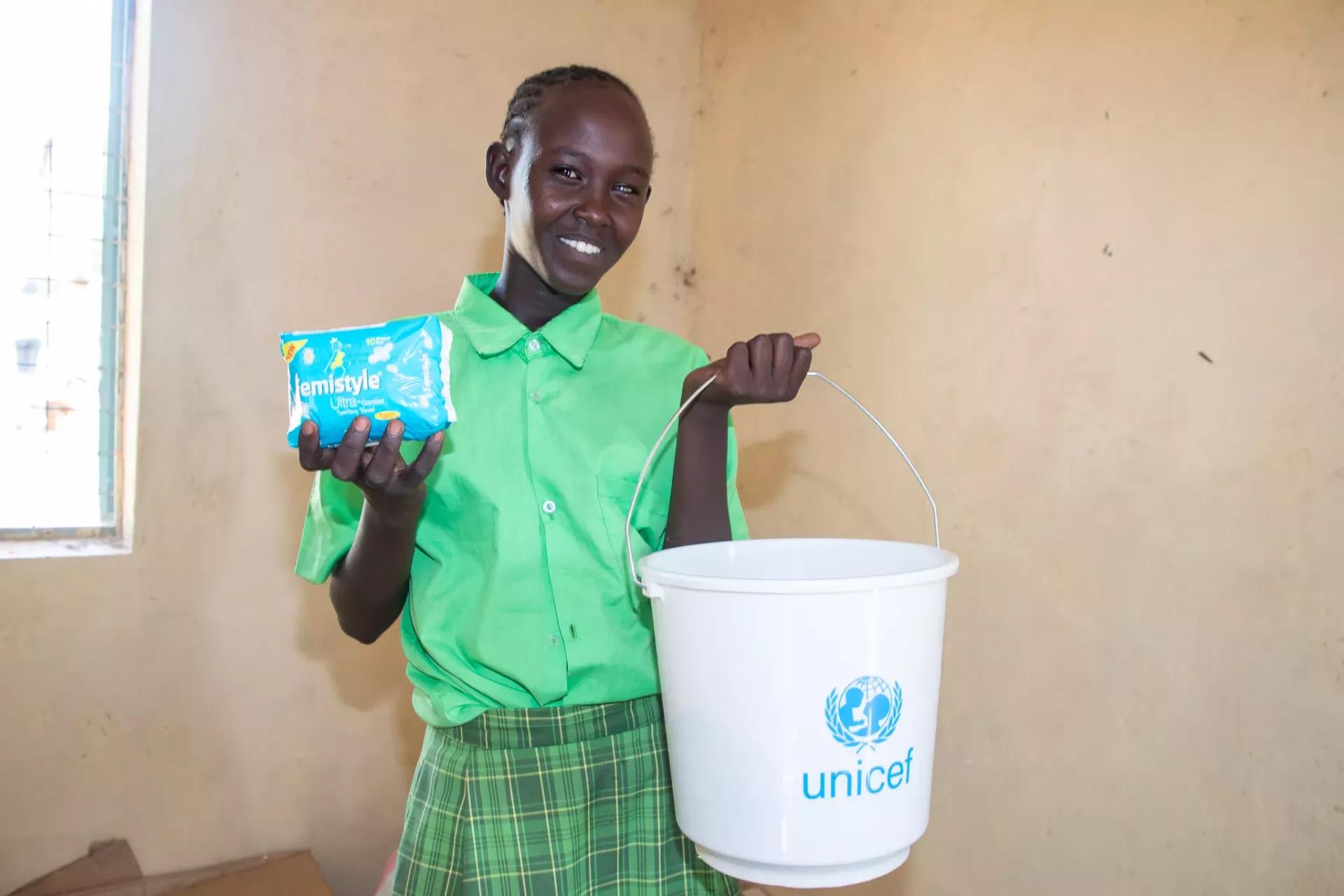
School attendance and participation can be affected when girls lack appropriate menstrual products, private toilets or accurate information about menstruation.
Some learners may worry about staining their clothes or being teased by classmates. Others may struggle to manage menstrual pain or change products during the school day.
These challenges can affect concentration, confidence and participation in educational activities.
However, menstrual hygiene is not the only factor influencing school attendance. Poverty, transport, school safety, household responsibilities and other barriers may also contribute.
Common Menstrual Hygiene Challenges in Schools
| Challenge | Possible Effect on Learning | Supportive Response |
|---|---|---|
| Limited menstrual products | Discomfort and concern about managing menstrual flow. | Appropriate product access and emergency supplies. |
| Inadequate toilets | Difficulty changing products privately. | Safe, clean and private sanitation facilities. |
| Water shortages | Challenges with handwashing and hygiene. | Reliable water and handwashing services. |
| Menstrual stigma | Embarrassment, teasing or reduced confidence. | Respectful menstrual health education and anti-bullying practices. |
| Severe menstrual symptoms | Difficulty concentrating or participating. | Supportive school procedures and appropriate healthcare referrals. |
| Inadequate disposal | Difficulty managing used products hygienically. | Suitable bins and safe waste management. |
Schools can support learners by treating menstruation as a normal health topic rather than a reason for embarrassment.
Menstrual hygiene support is therefore an important consideration in inclusive education, as discussed through SDC Kenya’s Education Programme.
4. Understanding Period Poverty and Its Impact
Period poverty refers to difficulties obtaining the menstrual products, facilities, information or support needed to manage menstruation safely and with dignity.
It is often associated with financial hardship, but it can also involve inadequate infrastructure, limited education and social exclusion.
A household may struggle to purchase suitable products consistently. A school may lack private toilets. A community may have limited access to reliable water or appropriate waste management.
Common Dimensions of Period Poverty
- Difficulty affording suitable menstrual products.
- Limited availability of products in local markets.
- Inadequate water and sanitation facilities.
- Limited access to accurate menstrual health information.
- Social stigma and discriminatory attitudes.
- Insufficient support for people with disabilities.
- Inadequate disposal and waste management services.
Period poverty is not only about sanitary pads. Sustainable menstrual health support must also consider safe facilities, reliable information, affordability, accessibility and freedom from discrimination.
5. Choosing Suitable Menstrual Hygiene Products
Different menstrual products are available, and the most suitable option depends on personal preference, affordability, access to water, comfort and individual health needs.
People should receive accurate information about the products they use, including instructions for changing, cleaning, storage and disposal.
Common Menstrual Products and Important Considerations
| Product | Advantages | Important Considerations |
|---|---|---|
| Disposable sanitary pads | Widely familiar and convenient for many users. | Require regular changing and appropriate disposal. |
| Reusable menstrual pads | Can be used repeatedly when properly maintained. | Require clean water, soap, thorough drying and safe storage. |
| Menstrual cups | Reusable and may suit users comfortable with internal products. | Require correct use, cleaning and attention to manufacturer instructions. |
| Tampons | Provide an internal absorbent option. | Require correct use, timely changing and awareness of toxic shock syndrome risks. |
| Period underwear | Can provide reusable menstrual protection. | Requires appropriate washing, drying and sufficient replacement garments. |
No single product is appropriate for everyone. Product choice should respect individual comfort, medical needs, cultural circumstances and informed preference.
Users of internal menstrual products should follow manufacturer instructions carefully. Tampons should not be worn longer than recommended, and menstrual cups require appropriate cleaning and handling.
6. Practical Menstrual Hygiene Practices for Girls and Women
Managing menstruation safely involves appropriate product use, personal hygiene and attention to individual comfort.
Good practices may vary depending on the type of menstrual product, available facilities and personal needs.
A Practical Menstrual Hygiene Checklist
Choose a Suitable Product
Use menstrual materials that are appropriate, comfortable and safe for your needs.
Wash Hands Before and After Changing
Use soap and clean water when available to support hygienic product handling.
Change Products as Recommended
Follow product instructions and change materials according to flow, comfort and safe-use guidance.
Clean Reusable Products Properly
Follow manufacturer instructions for washing, drying, disinfecting where required and storage.
Dispose of Used Products Responsibly
Use appropriate waste bins and local disposal arrangements. Do not flush pads or tampons down toilets.
Seek Healthcare When Necessary
Consult a qualified professional about severe pain, unusually heavy bleeding or other concerning symptoms.
Routine cleaning of the external genital area with water is generally sufficient. Harsh soaps, scented products and vaginal douching may cause irritation and should be avoided.
7. Menstrual Health Education and Breaking Social Stigma
Menstrual stigma develops when menstruation is treated as shameful, embarrassing or inappropriate to discuss.
These attitudes can prevent girls from asking questions, obtaining appropriate products or seeking medical assistance.
Some learners may reach puberty without receiving clear information about menstruation, leaving them confused or frightened when their first period begins.
Accurate, age-appropriate education helps replace myths with reliable information and encourages respectful attitudes.
What Menstrual Health Education Should Cover
- Understanding menstruation as a normal biological process.
- Recognising common menstrual symptoms.
- Learning how to use menstrual products appropriately.
- Practising personal hygiene and safe disposal.
- Understanding when medical advice is needed.
- Challenging harmful myths and discrimination.
- Encouraging respectful communication and support.
- Promoting privacy, dignity and informed choice.
Menstrual education should not be limited to girls. Boys, teachers, parents and community leaders can also benefit from understanding menstruation and the importance of respectful behaviour.
When communities discuss menstrual health accurately and sensitively, they can help create more supportive environments.
8. The Importance of Menstrual Hygiene in Workplaces and Public Spaces
Menstrual hygiene needs continue throughout adulthood. Women and other people who menstruate require suitable facilities in workplaces, markets, transport centres and public institutions.
Where toilets are unavailable, unsafe or poorly maintained, managing menstruation during working hours may become difficult.
Some workers may have limited opportunities to take breaks, access clean water or change menstrual products privately.
Features of Menstrual Hygiene Friendly Workplaces
- Clean and private toilets.
- Reliable water and handwashing facilities.
- Appropriate disposal bins.
- Accessible sanitation facilities.
- Respectful workplace policies.
- Reasonable access to sanitation breaks.
- Clear procedures for reporting harassment.
- Supportive responses to health-related concerns.
Menstrual hygiene facilities should be treated as part of safe and inclusive working conditions rather than optional conveniences.
9. Supporting Menstrual Hygiene in Refugee and Vulnerable Communities
People living in displacement settings, informal settlements and underserved communities may experience additional barriers to menstrual hygiene management.
These barriers can include overcrowded sanitation facilities, unreliable water supplies, limited privacy and difficulties obtaining suitable products.
Women and girls with disabilities may face further challenges when facilities are inaccessible or when suitable assistance is unavailable.
Important Considerations for Inclusive Menstrual Hygiene Support
- Provide appropriate product choices rather than assuming one product suits everyone.
- Ensure facilities offer privacy and safety.
- Consider the needs of people with disabilities.
- Provide accessible and understandable information.
- Establish suitable waste management arrangements.
- Consult users about practical challenges and preferences.
- Protect dignity and confidentiality.
- Coordinate support with relevant health and sanitation services.
Effective programmes should involve affected communities in planning and decision-making. Listening to users can help ensure that assistance is practical, respectful and appropriate.
10. The Role of Families, Schools and Community Leaders
Menstrual hygiene management is often viewed as an individual responsibility, but supportive environments are essential.
Families can help by providing accurate information and treating menstruation as a normal part of life. Schools can improve sanitation and create respectful learning environments.
Community leaders can challenge harmful attitudes and support initiatives that improve access to essential facilities.
How Different Groups Can Contribute
| Group | Important Contribution |
|---|---|
| Parents and caregivers | Provide guidance, encouragement and support for appropriate products. |
| Teachers | Offer accurate information and respond sensitively to learners’ concerns. |
| School administrators | Maintain safe sanitation facilities and appropriate support arrangements. |
| Healthcare professionals | Provide qualified advice and assessment for menstrual health concerns. |
| Community leaders | Promote respectful attitudes and inclusive community initiatives. |
| Development organisations | Support coordinated education, sanitation and access initiatives. |
Successful approaches recognise that menstrual hygiene is connected to education, public health, sanitation and gender equality.
11. Sustainable Menstrual Waste Management
Menstrual waste management is an important part of sanitation planning. Disposable pads, tampons and other products require appropriate collection and disposal arrangements.
Flushing menstrual products can block toilets and damage sanitation systems. Inadequate waste handling can also create hygiene and environmental concerns.
Schools, workplaces and public facilities should provide suitable disposal options and establish clear waste management responsibilities.
Practical Waste Management Priorities
- Provide appropriate bins in private sanitation facilities.
- Ensure bins are emptied and cleaned regularly.
- Use suitable collection and disposal systems.
- Prevent menstrual products from entering toilets and drainage systems.
- Provide information about responsible product disposal.
- Protect the safety and dignity of sanitation workers.
- Consider local waste management capacity when planning facilities.
Reusable products may reduce some forms of disposable waste, but they also require reliable water, appropriate cleaning and safe storage.
Environmental decisions should therefore consider product safety, user preference, infrastructure and local conditions.
12. How NGOs and Development Partners Can Improve Menstrual Hygiene Management
Non-governmental organisations and development partners can support menstrual hygiene through education, sanitation improvements, community engagement and appropriate product access initiatives.
However, sustainable programmes should address the underlying barriers rather than focusing only on short-term product distribution.
For example, providing menstrual products may offer immediate assistance, but learners may continue facing difficulties if school toilets remain unsafe or water supplies are unreliable.
Important Priorities for Menstrual Hygiene Programmes
- Assess community needs: Understand product access, sanitation and information gaps.
- Promote informed choice: Provide accurate information about suitable menstrual products.
- Improve sanitation: Support safe, private and accessible facilities.
- Strengthen education: Address menstrual health knowledge and harmful stigma.
- Support inclusion: Consider disability, displacement and financial vulnerability.
- Coordinate services: Work with schools, healthcare providers and relevant authorities.
- Plan waste management: Ensure appropriate disposal arrangements.
- Monitor outcomes: Assess whether interventions improve access, dignity and participation.
Those interested in supporting inclusive community development can explore opportunities to get involved with SDC Kenya.
13. Measuring Progress in Menstrual Hygiene Management
Menstrual hygiene initiatives should be evaluated according to whether they improve practical access, safety, comfort and dignity.
Counting distributed products or completed awareness sessions provides useful activity information, but it does not fully demonstrate whether people’s needs are being met.
Monitoring should also consider facility quality, product suitability, knowledge, accessibility and user experiences.
| Monitoring Area | Useful Question |
|---|---|
| Product access | Can users obtain suitable menstrual products consistently? |
| Sanitation facilities | Are toilets safe, private, clean and functional? |
| Water availability | Is sufficient water available for hygiene needs? |
| Menstrual education | Do users have access to accurate and understandable information? |
| Waste management | Are suitable disposal arrangements available and maintained? |
| Inclusion | Are the needs of people with disabilities and other vulnerabilities addressed? |
| School participation | Are menstrual hygiene barriers affecting attendance or participation? |
| Dignity and safety | Do users feel comfortable and safe managing menstruation? |
Monitoring should respect privacy and avoid collecting unnecessary sensitive information. Feedback mechanisms should be confidential, voluntary and appropriate for the people involved.
Frequently Asked Questions About Menstrual Hygiene Management
What is menstrual hygiene management?
Menstrual hygiene management involves using suitable menstrual materials and having access to clean water, private sanitation facilities, safe disposal options and accurate information. It also includes managing menstruation with dignity and without discrimination.
Why is menstrual hygiene important for girls’ education?
Appropriate menstrual products, private toilets, clean water and supportive school environments can help girls participate comfortably in learning. Inadequate facilities and stigma may create barriers to attendance and concentration.
What are the main challenges of menstrual hygiene management?
Common challenges include limited access to suitable products, inadequate sanitation, water shortages, menstrual stigma, poor waste management and insufficient health information.
How can schools improve menstrual hygiene management?
Schools can provide safe and private toilets, reliable water, handwashing facilities, appropriate disposal arrangements, accurate menstrual health education and supportive procedures for learners experiencing difficulties.
What is period poverty?
Period poverty refers to barriers that prevent people from managing menstruation safely and with dignity. These may involve financial difficulties, inadequate products, poor sanitation or limited access to information.
Are reusable menstrual products safe?
Reusable menstrual products can be suitable when used, cleaned, dried and stored according to manufacturer instructions. Their practicality depends on individual needs and access to appropriate hygiene facilities.
When should someone seek medical advice about menstruation?
Professional medical advice is appropriate for severe or worsening menstrual pain, unusually heavy bleeding, fainting, persistent unusual symptoms or other concerns affecting daily life. Sudden severe symptoms may require urgent assessment.
Conclusion — Menstrual Hygiene Is Essential for Health, Dignity and Equality
Menstrual hygiene management is an important part of public health, sanitation and gender equality. Every girl and woman deserves the opportunity to manage menstruation safely, comfortably and with dignity.
Yet access to suitable menstrual products, clean water, private toilets and accurate information remains uneven across communities.
These challenges can affect school participation, workplace comfort, personal wellbeing and social inclusion.
Addressing menstrual hygiene needs requires more than distributing products. Sustainable solutions must also strengthen sanitation infrastructure, improve education, challenge harmful stigma and ensure that vulnerable groups are not excluded.
Families, schools, healthcare providers, community leaders and development organisations all have important roles in creating supportive environments.
By recognising menstrual health as an essential component of community wellbeing, societies can help ensure that menstruation does not become a barrier to education, opportunity or participation.
Supporting menstrual dignity is ultimately about protecting health, respecting personal choice and building communities where everyone can participate with confidence.
Supporting Menstrual Health and Dignity in Every Community
Improving menstrual hygiene requires safe sanitation, accurate education and inclusive community partnerships. To learn more about SDC Kenya’s development priorities or discuss opportunities for collaboration, connect with our team.