Child Malnutrition Explained — Causes, Warning Signs and Prevention Strategies
Every child deserves the opportunity to grow, learn, play and develop in good health. Yet healthy childhood development depends on more than having enough food on the table. Children need the right nutrients, protection from illness, safe living conditions and access to healthcare that responds to their changing needs.
When these essential needs are not met, children may experience malnutrition, a condition that can affect their physical growth, immune function, learning and overall wellbeing.
Malnutrition is sometimes associated only with extreme hunger or children who appear visibly thin. In reality, it is a broader health concern. A child may consume food every day but still lack essential vitamins and minerals. Another may experience repeated illness that interferes with nutrient absorption. Some children develop nutritional difficulties gradually, without obvious changes that caregivers immediately recognise.
This makes early awareness especially important. Understanding the causes of child malnutrition, recognising possible warning signs and knowing when to seek professional support can help families respond before nutritional problems become more serious.
Preventing child malnutrition also requires action beyond the household. Affordable nutritious food, safe water, appropriate feeding information, accessible healthcare and supportive community services all contribute to healthier childhoods.
This article explains the different forms of child malnutrition, the factors that contribute to them and practical strategies that families, communities and development organisations can use to support better nutrition.
What Is Child Malnutrition?
Child malnutrition occurs when a child’s intake or use of nutrients does not adequately meet the body’s needs. It can result from insufficient food, poor dietary quality, illness, difficulties absorbing nutrients or a combination of these factors.
Malnutrition includes both undernutrition and overnutrition. Undernutrition covers conditions such as wasting, stunting, underweight and deficiencies in essential vitamins and minerals. Overnutrition includes overweight and obesity, which can also affect children’s health.
Although these conditions differ, they share an important characteristic: the child’s nutritional needs are not being met appropriately.
Children are particularly vulnerable because their bodies and brains are developing rapidly. Nutritional difficulties during pregnancy, infancy and early childhood may have lasting consequences, especially when they are severe or remain untreated.
The Main Forms of Child Malnutrition
| Type | What It Means | Why It Matters |
|---|---|---|
| Wasting | A child has low weight relative to height or length, often reflecting recent or severe nutritional stress. | Severe wasting increases the risk of serious illness and death and requires prompt professional assessment. |
| Stunting | A child has low height or length for age, reflecting impaired linear growth. | May indicate prolonged nutritional and health challenges affecting growth and development. |
| Underweight | A child has low weight for age. | May reflect wasting, stunting or a combination of nutritional problems. |
| Micronutrient deficiencies | Insufficient intake or availability of essential vitamins and minerals. | Can affect immunity, blood health, vision, growth and other body functions. |
| Overweight and obesity | Excess body weight or fat accumulation that may affect health. | Can increase the risk of health problems during childhood and later life. |
These categories are assessed using recognised clinical and growth standards. A child’s appearance alone cannot reliably establish whether malnutrition is present or identify its severity.
Important to understand: A child can appear active or have a normal-looking body size while experiencing a micronutrient deficiency. Regular growth monitoring and appropriate healthcare assessments are important because not every nutritional problem is immediately visible.
1. What Causes Child Malnutrition?
Child malnutrition rarely has a single cause. It often develops through an interaction of dietary, medical, economic, environmental and social factors.
For example, a household may have enough food to provide regular meals but limited access to nutrient-rich ingredients. Another family may provide a varied diet, yet a child experiences repeated infections that affect appetite and nutrient absorption.
Understanding these differences matters because effective prevention must respond to the actual causes rather than assuming every child needs the same intervention.
Inadequate Dietary Intake
Children need sufficient energy, protein, healthy fats, vitamins and minerals for growth and daily activity. Diets that provide too little food or rely heavily on a narrow range of ingredients may not meet these needs.
Dietary inadequacy may arise because of food shortages, limited household income, feeding difficulties, inadequate nutrition knowledge or restricted access to diverse foods.
Repeated Illness and Infection
Illness can interfere with nutrition in several ways. A sick child may eat less, lose nutrients through diarrhoea or require additional energy during recovery. Repeated infections can make it harder to maintain healthy growth.
Malnutrition can also weaken the body’s ability to respond to infection, creating a harmful cycle in which poor nutrition and illness worsen one another.
Food Insecurity and Poverty
When families struggle to afford food, they may prioritise filling meals over dietary variety. Nutritious ingredients such as eggs, vegetables, fruits, milk and other protein sources may become difficult to obtain consistently.
Food insecurity can also create uncertainty about meal frequency and portion sizes, particularly in households supporting several dependants.
Inappropriate Infant and Young Child Feeding
Infants and young children have specific nutritional needs that change with age. Introducing complementary foods too early or too late, providing insufficient dietary variety or failing to address feeding difficulties can contribute to nutritional problems.
Caregivers may need practical guidance on age-appropriate meal consistency, frequency, responsive feeding and food safety.
Unsafe Water and Poor Sanitation
Contaminated drinking water and inadequate hygiene can increase exposure to diarrhoeal infections. These illnesses may contribute to dehydration, reduced appetite and nutrient losses.
Where sanitation facilities are inadequate, children may face repeated exposure to environmental contamination, increasing the burden of preventable illness.
Maternal Health and Nutrition
A mother’s nutritional and health status during pregnancy can influence fetal growth and birth outcomes. Babies born prematurely or with low birth weight may require additional monitoring and specialised nutritional support.
Maternal healthcare, appropriate pregnancy nutrition and postnatal support are therefore important components of child malnutrition prevention.
2. Recognising the Warning Signs of Child Malnutrition
Recognising nutritional problems early can help prevent complications, but caregivers should be cautious about relying on appearance alone.
Some children with nutritional deficiencies may show subtle changes. Others may experience visible weight loss, reduced activity or difficulties with feeding. Certain signs can also occur with illnesses unrelated to malnutrition.
Professional assessment is necessary to determine the cause and appropriate response.
Possible Signs Caregivers Should Watch For
- Poor weight gain: A child is not gaining weight as expected or begins losing weight.
- Visible weight loss: The child appears noticeably thinner, particularly around the arms, shoulders or ribs.
- Unusual tiredness: Persistent low energy, weakness or reduced interest in normal activities.
- Changes in appetite: Ongoing difficulty eating or reduced interest in food.
- Frequent illness: Repeated infections or prolonged recovery from common illnesses.
- Growth concerns: Height or length is not progressing as expected over time.
- Swelling: Swelling of both feet or lower legs, which can be associated with severe nutritional illness.
- Behavioural changes: Unusual irritability, withdrawal or reduced responsiveness.
These signs are not sufficient to diagnose malnutrition. Some may indicate other medical conditions that also require attention.
When Should a Child Receive Urgent Medical Attention?
Seek urgent professional assessment if a child has:
- Swelling affecting both feet or lower legs.
- Severe visible wasting or rapid, unexplained weight loss.
- Inability to drink or feed.
- Severe lethargy, reduced consciousness or convulsions.
- Persistent vomiting or signs of significant dehydration.
- Breathing difficulties or other signs of serious illness.
These symptoms can indicate a medical emergency. Do not delay treatment while trying home remedies or nutritional supplements.
3. Understanding Stunting, Wasting and Underweight
The terms stunting, wasting and underweight are frequently used in child nutrition discussions. Although they are related, they describe different patterns of growth and nutritional concern.
Understanding the distinction helps caregivers appreciate why healthcare workers measure children’s height, length and weight rather than relying on a single observation.
Stunting — When Linear Growth Is Impaired
Stunting is identified when a child’s height or length is significantly below the expected standard for their age. It reflects impaired linear growth and is often associated with long-term nutritional deprivation, repeated infections and other adverse conditions.
Stunting is not simply a matter of being naturally short. Healthcare professionals assess growth patterns using recognised standards while considering the child’s health history and circumstances.
Prevention focuses on maternal nutrition, appropriate infant feeding, disease prevention, safe environments and timely healthcare, particularly during pregnancy and the first years of life.
Wasting — When Weight Is Too Low for Height
Wasting occurs when a child’s weight is too low relative to their height or length. It can develop following insufficient food intake, illness or other conditions that cause rapid nutritional deterioration.
Severe wasting is a serious health concern because affected children may have a substantially increased risk of medical complications.
Children with suspected wasting require professional assessment. Treatment depends on severity, medical complications, age and applicable clinical protocols.
Underweight — When Weight Is Low for Age
Underweight describes low weight relative to a child’s age. It can reflect recent weight loss, longer-term growth problems or both.
Because underweight does not distinguish clearly between wasting and stunting, additional measurements are needed to understand the child’s nutritional status.
| Condition | Main Growth Measurement | Important Consideration |
|---|---|---|
| Stunting | Height or length for age | Reflects impaired linear growth. |
| Wasting | Weight for height or length, or other approved assessment criteria | May indicate acute nutritional risk requiring prompt care. |
| Underweight | Weight for age | Can reflect more than one type of growth problem. |
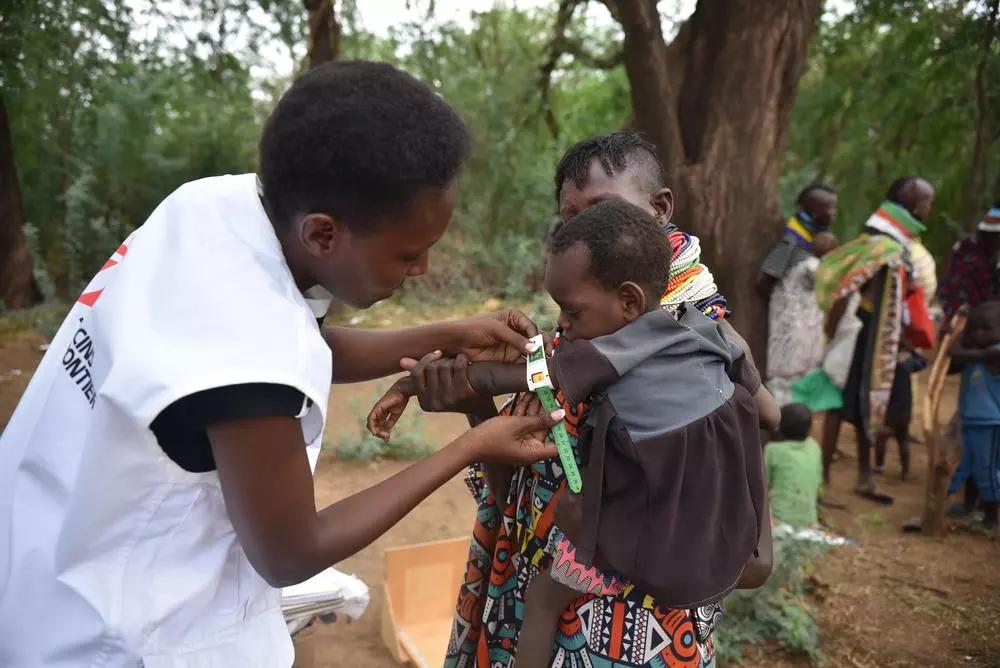
Healthcare workers may also use mid-upper arm circumference measurements and assess for bilateral pitting oedema when screening children for acute malnutrition.
These measurements should be interpreted using appropriate age-specific standards and clinical guidance.
4. Why the First 1,000 Days Matter for Child Nutrition
The period from pregnancy through a child’s second birthday is often described as the first 1,000 days. It is an especially important stage for physical growth, brain development and the establishment of healthy feeding practices.
During pregnancy, the developing baby depends on maternal health and nutrition. After birth, infants require appropriate feeding and protection from illness. As children grow, their nutritional needs change and complementary foods become essential.
Good nutrition remains important throughout childhood, but this early period offers valuable opportunities to support healthy development and prevent avoidable nutritional difficulties.
Nutrition Priorities During the First 1,000 Days
| Stage | Nutrition Priority | Support Needed |
|---|---|---|
| Pregnancy | Appropriate maternal nutrition and monitoring. | Antenatal care, dietary guidance and indicated supplements. |
| Birth to 6 months | Exclusive breastfeeding where possible and appropriate. | Early feeding support and professional assistance when challenges arise. |
| 6–12 months | Safe, diverse complementary foods alongside continued breastfeeding. | Guidance on meal frequency, consistency and responsive feeding. |
| 12–24 months | Increasing dietary variety and age-appropriate meals. | Continued breastfeeding where possible, growth monitoring and health services. |
Feeding recommendations may require individual adjustment for children with medical conditions, disabilities, allergies or other specialised needs.
Families should seek qualified advice when a child experiences persistent feeding difficulties, poor growth or illness that affects nutritional intake.
5. Practical Child Malnutrition Prevention Strategies for Families
Preventing child malnutrition requires consistent attention to dietary quality, feeding practices, healthcare and household conditions. While families face different financial and practical circumstances, several principles can help guide healthier choices.
Provide a Varied and Balanced Diet
No single food supplies every nutrient a growing child needs. A varied diet helps provide the energy, protein, fats, vitamins and minerals required for development.
Meals can combine familiar foods from different food groups, using ingredients that are affordable, available and appropriate for the child’s age.
| Food Group | Examples | Main Nutritional Contribution |
|---|---|---|
| Staple foods | Ugali, rice, potatoes, sweet potatoes, millet and other cereals. | Energy and varying amounts of fibre and micronutrients. |
| Legumes | Beans, lentils, peas and cowpeas. | Protein, fibre and minerals. |
| Animal-source foods | Eggs, milk, fish, meat and poultry. | Protein and nutrients such as iron, zinc and vitamin B12. |
| Vegetables | Sukuma wiki, spinach, carrots, pumpkin and other vegetables. | Vitamins, minerals and fibre. |
| Fruits | Mangoes, bananas, oranges, pawpaw and seasonal fruits. | Vitamins, minerals and fibre. |
| Healthy fat sources | Avocado, appropriate oils and age-safe nut or seed preparations. | Energy and essential fats. |
Food preparation must be appropriate for a child’s age and developmental abilities. Whole nuts and other choking hazards should not be given to young children. Nut and seed products should be prepared in safe forms, and known allergies must be considered.
Encourage Responsive Feeding
Responsive feeding involves recognising hunger and fullness cues, offering age-appropriate foods and helping children eat in a calm and supportive environment.
Young children may need patience and repeated opportunities to become familiar with new foods. Caregivers should avoid force-feeding, punishment or practices that turn mealtimes into stressful experiences.
Maintain Regular Growth Monitoring
Growth monitoring allows healthcare professionals to track a child’s development over time and identify concerns that require further assessment.
Caregivers should attend recommended child health visits and keep available growth records. A single measurement may not tell the whole story, so changes over time are especially important.
Seek Early Treatment for Childhood Illnesses
Diarrhoea, respiratory infections and other illnesses can affect appetite and nutritional status. Timely medical assessment helps reduce complications and supports recovery.
Caregivers should continue age-appropriate feeding during and after illness as advised by qualified healthcare professionals. Children with severe symptoms need prompt medical attention.
6. Affordable Nutritious Meals and Local Food Choices
Healthy eating is sometimes presented as something that requires expensive or unfamiliar foods. In practice, many locally available ingredients can contribute to a nutritious diet when combined appropriately.
Beans, vegetables, eggs, seasonal fruits, cereals and other familiar foods can provide valuable nutrients. The challenge is often ensuring adequate quantities, dietary variety, safe preparation and consistent access.
Families may benefit from planning meals around seasonal availability and comparing the nutritional value of different ingredients rather than relying only on price or convenience.
Examples of Balanced Meal Combinations
| Meal Idea | Food Combination | Nutritional Value |
|---|---|---|
| Breakfast | Appropriately prepared porridge with milk or another suitable protein source. | Energy and additional protein and micronutrients. |
| Lunch | Rice or ugali with beans and cooked vegetables. | Energy, plant protein, fibre and vitamins. |
| Snack | Age-appropriate pieces or mashed portions of seasonal fruit. | Vitamins, minerals and fibre. |
| Evening meal | Sweet potatoes with eggs or another suitable protein source and vegetables. | Energy, protein and a variety of nutrients. |
These are general examples rather than a prescribed feeding plan. Portions, texture, frequency and suitability depend on the child’s age, health and individual nutritional needs.
For infants and young children, caregivers should follow age-specific feeding guidance and seek professional support when needed.
Practical Ways to Improve Dietary Variety
- Include vegetables or fruits when available and appropriate.
- Combine staple foods with legumes or other protein sources.
- Use seasonal ingredients to improve affordability.
- Prepare food using safe water and hygienic utensils.
- Introduce suitable new foods gradually.
- Seek advice about feeding difficulties or suspected nutrient deficiencies.
7. How Clean Water, Sanitation and Hygiene Help Prevent Malnutrition
Nutrition and hygiene are closely connected. Even when a child receives adequate food, repeated infections may interfere with the body’s ability to use nutrients effectively.
Unsafe drinking water, inadequate sanitation and poor food hygiene increase the risk of infections that can affect appetite, hydration and nutritional wellbeing.
Diarrhoeal illness is particularly important because it may cause fluid and nutrient losses. Repeated episodes can contribute to poor growth, especially when combined with inadequate dietary intake.
Household Hygiene Practices That Support Child Nutrition
- Wash hands with soap before preparing food and feeding children.
- Use safe drinking water for food preparation.
- Clean feeding utensils thoroughly.
- Store prepared food appropriately to reduce contamination.
- Use safe sanitation facilities and dispose of waste hygienically.
- Keep areas used for preparing children’s meals clean.
- Seek medical attention when a child develops persistent diarrhoea or signs of dehydration.
These practices support healthy feeding environments, but they depend on reliable access to essential services. Households need safe water, adequate sanitation and practical hygiene information.
To understand this relationship further, explore SDC Kenya’s Water, Sanitation and Hygiene Programme.
8. The Role of Healthcare Services in Preventing and Treating Malnutrition
Healthcare services are essential because nutritional problems may require more than dietary changes. A child experiencing poor growth may have an underlying medical condition, feeding difficulty or infection that needs professional assessment.
Health professionals can evaluate growth patterns, examine possible causes and recommend appropriate care based on the child’s age and condition.
Common Nutrition-Related Health Services
- Growth monitoring: Measuring and tracking weight, length or height over time.
- Nutrition screening: Identifying children who may be at risk of acute malnutrition.
- Feeding counselling: Supporting caregivers with age-appropriate feeding practices.
- Micronutrient assessment: Evaluating suspected deficiencies and recommending suitable interventions.
- Medical evaluation: Investigating infections or health conditions affecting nutrition.
- Referral services: Connecting children with specialised treatment when needed.
- Follow-up care: Monitoring progress and adjusting treatment appropriately.
Why Severe Acute Malnutrition Requires Professional Treatment
Severe acute malnutrition can be life-threatening. Depending on the child’s condition, treatment may involve specialised therapeutic nutrition, medical management and close monitoring.
Children with medical complications may require inpatient care. Those who meet specific clinical criteria may be treated through approved outpatient programmes under professional supervision.
Caregivers should not attempt to treat severe malnutrition using unverified supplements or homemade treatment plans.
These concerns connect with the importance of accessible primary healthcare and early assessment, as discussed through SDC Kenya’s Health Programme.
9. Why Maternal Nutrition Matters Before a Child Is Born
Child nutrition begins before birth. During pregnancy, a developing baby depends on nutrients supplied through the mother’s body. Maternal dietary inadequacy, certain infections and other health conditions may affect pregnancy outcomes and fetal growth.
Appropriate antenatal care helps identify nutritional concerns and provides opportunities for counselling, screening and supplementation where indicated.
Pregnant women need access to adequate food, safe drinking water and qualified healthcare services. They also benefit from supportive family environments that recognise the importance of rest, appropriate nutrition and timely medical care.
Important Maternal Nutrition Priorities
- Eating a varied diet that meets pregnancy-related nutritional needs.
- Attending recommended antenatal appointments.
- Taking prescribed supplements as advised by healthcare professionals.
- Seeking assessment for symptoms of anaemia or other health concerns.
- Receiving appropriate care for infections and existing medical conditions.
- Obtaining professional advice when food insecurity affects dietary intake.
After childbirth, mothers may also require breastfeeding support, nutritional counselling and postnatal healthcare.
Protecting maternal health is therefore an important component of efforts to prevent childhood malnutrition.
10. The Role of Schools and Early Childhood Centres in Child Nutrition
As children grow, schools and early childhood development centres become important environments for promoting health and nutrition.
Children spend substantial portions of their day in educational settings. Where appropriate resources are available, these institutions can help support healthy food practices, hygiene education and the early identification of wellbeing concerns.
How Educational Institutions Can Contribute
- Promoting age-appropriate nutrition education.
- Supporting access to safe drinking water.
- Providing suitable handwashing facilities.
- Encouraging safe food preparation and storage.
- Supporting school feeding initiatives where available and appropriate.
- Communicating concerns about a child’s wellbeing to caregivers.
- Connecting families with relevant health and social services.
Teachers and caregivers should avoid labelling children based on body size or making assumptions about nutritional status. Concerns should be handled sensitively, with appropriate referrals to qualified health professionals.
Nutrition also influences children’s ability to participate in learning. Hunger, illness and poor wellbeing can make concentration and attendance more difficult.
This connection highlights the importance of linking nutrition with broader educational opportunities, including the priorities discussed in SDC Kenya’s Education Programme.
11. How Communities Can Work Together to Prevent Child Malnutrition
Families play an essential role in child nutrition, but they cannot overcome every challenge alone. Food insecurity, inadequate healthcare, unsafe water and limited access to information often require coordinated responses.
Community participation can help identify households facing nutritional difficulties and connect them with available services.
Effective community initiatives should be respectful, inclusive and designed around actual needs rather than assumptions.
Community-Level Prevention Approaches
| Approach | How It Can Help |
|---|---|
| Caregiver education | Improves understanding of appropriate feeding, hygiene and warning signs. |
| Community nutrition screening | Supports early identification and referral when conducted by appropriately trained personnel. |
| Food security initiatives | May improve access to nutritious foods when designed for local needs. |
| Maternal health support | Strengthens nutrition awareness during pregnancy and after childbirth. |
| Water and sanitation improvements | Helps reduce exposure to infections that can worsen nutritional problems. |
| Referral coordination | Connects vulnerable children with qualified healthcare and specialised services. |
| Community feedback | Helps identify barriers and improve programme responsiveness. |
Community programmes should avoid blaming caregivers for nutritional problems that arise from poverty, illness or inadequate access to services. Supportive approaches are more likely to encourage families to seek help and remain engaged with care.
12. How NGOs and Development Partners Can Support Better Child Nutrition
Non-governmental organisations, community-based institutions and development partners can support child nutrition through education, coordination, capacity strengthening and appropriate assistance to vulnerable households.
However, effective nutrition programming requires reliable evidence, qualified technical guidance and cooperation with relevant health authorities.
Development organisations should distinguish between preventing malnutrition, identifying children at risk and treating established medical conditions. Each requires different expertise and safeguards.
Important Areas for Responsible Nutrition Programming
- Assess community needs: Understand dietary challenges, food access and health service gaps.
- Support nutrition education: Provide accurate, practical information appropriate to caregivers’ circumstances.
- Strengthen referral pathways: Help families reach qualified healthcare services.
- Promote inclusive access: Consider the needs of children with disabilities and households facing additional barriers.
- Coordinate with health institutions: Align activities with recognised nutrition and healthcare standards.
- Monitor results: Use appropriate indicators to assess whether interventions are reaching intended groups.
- Protect dignity: Respect privacy, informed consent and safeguarding requirements.
- Plan for sustainability: Support approaches that can remain useful beyond short-term funding.
Collaboration can help connect nutrition services with maternal healthcare, water and sanitation, education and household food security.
Individuals and organisations interested in supporting community development can learn more about opportunities to get involved with SDC Kenya.
13. Measuring Progress in Child Malnutrition Prevention
Nutrition programmes need reliable monitoring to understand whether children and families are receiving appropriate support. Counting the number of training sessions or food distributions provides useful activity information but does not, by itself, demonstrate improved nutritional outcomes.
Meaningful evaluation considers service access, dietary practices, growth monitoring, referrals and measurable changes in nutritional status.
| Monitoring Area | Useful Question |
|---|---|
| Dietary diversity | Are children receiving an appropriate variety of foods for their age? |
| Growth monitoring | Are children receiving regular assessments when recommended? |
| Early identification | Are children with suspected malnutrition identified and referred promptly? |
| Treatment access | Can children with acute malnutrition obtain appropriate professional care? |
| Caregiver knowledge | Do caregivers understand age-appropriate feeding and warning signs? |
| Food security | Are households able to obtain adequate and nutritious food? |
| Health and hygiene | Are children supported by safe water, sanitation and healthcare services? |
| Equity | Are vulnerable households and underserved children being reached? |
Growth indicators should be interpreted by qualified personnel using appropriate standards. Data should also be collected and handled with care to protect children’s privacy and dignity.
Long-term improvements may require coordinated action across health, nutrition, agriculture, education and social protection systems.
Frequently Asked Questions About Child Malnutrition
What are the main causes of child malnutrition?
Child malnutrition can result from inadequate dietary intake, poor dietary diversity, repeated infections, feeding difficulties, food insecurity, unsafe water, inadequate sanitation and maternal health challenges. Several factors may contribute at the same time.
What are the early warning signs of malnutrition in children?
Possible signs include poor weight gain, unexplained weight loss, reduced energy, feeding difficulties, growth concerns and repeated illness. Swelling of both feet can indicate severe nutritional illness and requires urgent medical assessment. A professional evaluation is needed for diagnosis.
What is the difference between stunting and wasting?
Stunting refers to low height or length for age and reflects impaired linear growth. Wasting refers to low weight relative to height or length and may indicate acute nutritional stress. Both require appropriate assessment and prevention strategies.
Can a child be malnourished even when eating every day?
Yes. A child may eat regularly but receive insufficient dietary variety or essential nutrients. Illness and other health conditions can also interfere with nutritional wellbeing. Meal frequency alone does not determine nutritional adequacy.
How can parents prevent child malnutrition?
Caregivers can support healthy nutrition through age-appropriate feeding, dietary variety, safe food preparation, recommended healthcare visits, growth monitoring and prompt treatment of illness. Families facing food insecurity or feeding difficulties may need additional professional and community support.
Why are the first 1,000 days important?
The period from pregnancy to a child’s second birthday is especially important for growth and development. Appropriate maternal nutrition, infant feeding, healthcare and disease prevention during this period can help support healthy development.
Can severe child malnutrition be treated at home?
Severe acute malnutrition requires professional assessment and an approved treatment plan. Some children may qualify for supervised outpatient care, while those with complications may require hospital treatment. Caregivers should not attempt unsupervised treatment.
Conclusion — Preventing Child Malnutrition Requires Early Action and Shared Responsibility
Child malnutrition is a complex health and development challenge, but many of its contributing factors can be addressed through timely care, appropriate nutrition, preventive services and stronger community support.
Understanding the different forms of malnutrition helps families recognise why growth monitoring and professional assessment matter. Awareness of warning signs can encourage earlier treatment, while appropriate infant feeding and dietary variety support healthier development.
However, prevention cannot depend on individual households alone. Families need access to nutritious food, safe water, sanitation, reliable healthcare and practical information that reflects their circumstances.
Schools, health workers, community organisations, public institutions and development partners all have important roles in strengthening these conditions.
Protecting children from malnutrition is ultimately about protecting their opportunity to grow, learn and participate fully in life. When communities invest in child nutrition, they are also investing in healthier families, stronger educational outcomes and more resilient futures.
Supporting Better Nutrition and Healthier Childhoods
Improving child nutrition requires informed caregivers, accessible healthcare, safe environments and meaningful community partnerships. To learn more about SDC Kenya’s nutrition and development priorities or discuss opportunities for collaboration, connect with our team.
References and Further Reading
For additional evidence-based information about child malnutrition, infant feeding and healthy development, consult these recognised public health resources.