
Community Leadership • Collaboration • Lasting Change
How NGOs, Communities and Development Partners Can Work Together for Lasting Impact
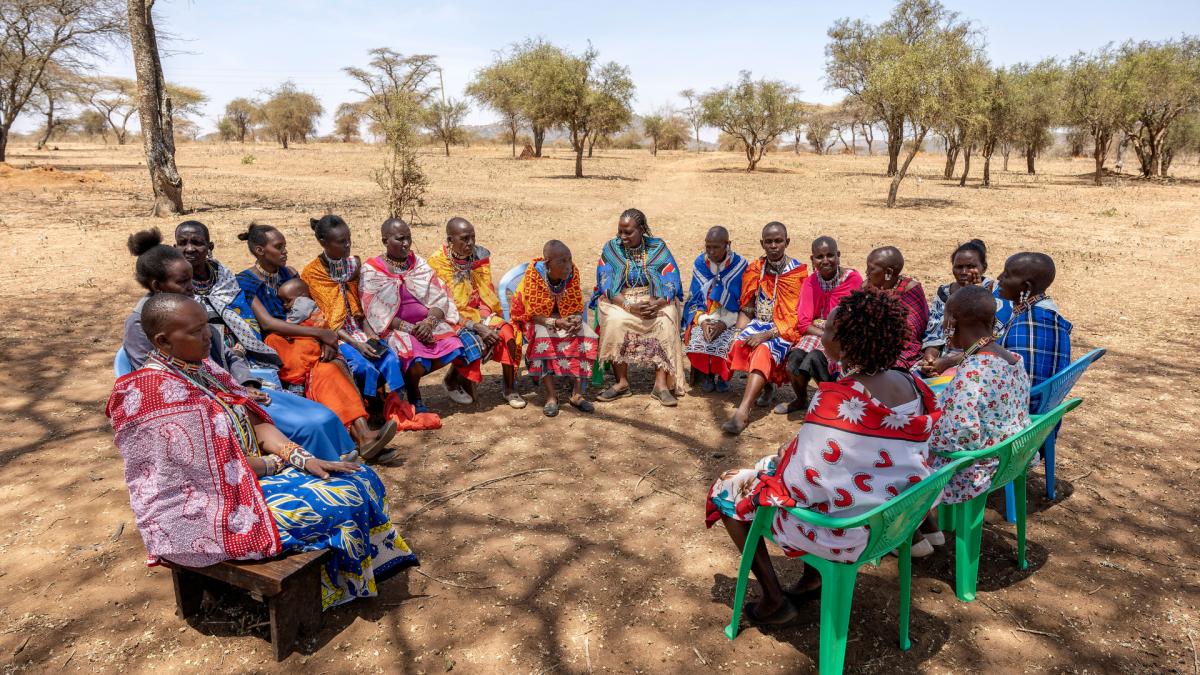
Meaningful development does not happen simply because a project receives funding, a building is constructed or an organisation delivers a service. Lasting change becomes more achievable when communities participate in decisions, local institutions develop the capacity to sustain progress and development partners work toward shared priorities.
Across Kenya, communities face interconnected challenges involving healthcare, nutrition, education, access to essential services and economic opportunity. Addressing these challenges requires more than isolated interventions.
NGO community partnerships can bring together local knowledge, technical expertise, resources and institutional support to develop solutions that are relevant, inclusive and sustainable.
A successful development project should be measured not only by what happens during implementation, but also by what remains useful after external support changes or ends.
Consider a community that receives a new water facility. The installation may improve access to water immediately, but its long-term value depends on maintenance, reliable management, water safety and the community’s ability to address future problems.
Similarly, a school improvement initiative may provide classrooms or learning materials, but sustainable educational progress also depends on teachers, school leadership, family participation and continued access to essential services.
These examples illustrate why collaboration is central to effective community development.
Non-governmental organisations can contribute programme expertise and coordination. Communities bring lived experience, local knowledge and leadership. Development partners may contribute financing, technical assistance, training or institutional connections.
Government institutions, local businesses, schools and healthcare providers may also have important responsibilities.
The challenge is ensuring that these contributions reinforce one another rather than operating as disconnected activities.
The central idea: Sustainable development is not simply about delivering assistance to communities. It is about working with communities to strengthen the knowledge, systems, resources and opportunities that enable progress to continue.
1. Understanding NGO Community Partnerships
NGO community partnerships are collaborative relationships between non-governmental organisations, local residents, community groups and other stakeholders working toward shared development objectives.
These partnerships may focus on education, healthcare, nutrition, sanitation, livelihoods, environmental protection or other community priorities.
Effective partnerships recognise that different participants contribute different forms of knowledge and resources.
A community organisation may understand local challenges and trusted communication channels. An NGO may provide programme management and technical coordination. A development partner may offer financial support or specialised expertise.
When these contributions are coordinated appropriately, partners can develop solutions that are better suited to local conditions.
Three Essential Foundations of Effective Partnerships
Community Ownership
Residents participate meaningfully in identifying priorities, shaping decisions and managing appropriate aspects of development initiatives.
Shared Responsibility
Partners agree on clear roles, realistic commitments and transparent arrangements for delivering and maintaining results.
Long-Term Sustainability
Projects are designed to strengthen local capabilities, services and systems rather than depend indefinitely on external assistance.
These foundations help distinguish meaningful collaboration from temporary consultation or one-sided project delivery.
2. Why Community Participation Matters in Development
Communities are not passive recipients of development assistance. Residents have knowledge of local conditions, existing resources, cultural practices and the challenges affecting their daily lives.
This knowledge is valuable when determining which interventions are appropriate and how they should be implemented.
For example, residents may understand seasonal water shortages, barriers to school attendance or difficulties reaching health facilities.
Without meaningful participation, organisations risk investing in activities that do not fully address the problems communities consider most urgent.
Important Benefits of Community Participation
- Relevant priorities: Projects respond to needs identified through genuine local engagement.
- Improved trust: Transparent communication can strengthen relationships between organisations and residents.
- Better implementation: Local knowledge can inform practical decisions about location, timing and service delivery.
- Greater inclusion: Participatory processes can help identify people whose needs might otherwise be overlooked.
- Stronger accountability: Communities can provide feedback and help monitor whether commitments are fulfilled.
- Long-term ownership: Local participation can strengthen responsibility for maintaining appropriate services.
Lasting community development begins when people have a meaningful voice in the decisions that shape their own futures.
Participation should go beyond attendance at meetings. Communities need opportunities to influence priorities, question decisions and understand how resources are allocated.
3. The Different Roles of NGOs, Communities and Development Partners
Strong partnerships depend on understanding the responsibilities and capabilities of each participant.
Roles should be agreed according to the project’s purpose, the partners’ expertise and applicable legal or institutional requirements.
| Stakeholder | Potential Contribution | Important Responsibility |
|---|---|---|
| Local communities | Local knowledge, priorities, participation and community leadership. | Contribute to decisions, feedback and appropriate management arrangements. |
| NGOs | Programme coordination, technical support, mobilisation and implementation expertise. | Maintain quality, transparency, safeguarding and responsible programme delivery. |
| Development partners | Funding, technical assistance, training and institutional support. | Support realistic plans, accountability and locally relevant outcomes. |
| Government institutions | Policy direction, public services, regulation and institutional coordination. | Support alignment with relevant public systems and legal requirements. |
| Private-sector organisations | Technical expertise, goods, services, employment connections or financial contributions. | Participate responsibly and respect agreed community priorities. |
| Community-based organisations | Grassroots mobilisation, local networks and continuity of engagement. | Represent community concerns responsibly and support inclusive participation. |
Not every partnership requires every stakeholder. The appropriate structure depends on the objectives and circumstances of the initiative.
4. Building a Shared Vision for Sustainable Development
Partnerships are more effective when participants agree on the problem they are addressing and the outcomes they want to achieve.
A shared vision should be developed through discussion rather than imposed by a single organisation.
Partners may initially have different priorities. A donor might focus on measurable service delivery, while residents emphasise reliability, affordability or accessibility.
These perspectives need to be considered together.
A Practical Partnership Framework
A simple way to understand how different contributions can support a common development goal.
+
+
Questions Partners Should Answer Together
- What problem are we trying to address?
- Who is most affected by the problem?
- What solutions have community members already attempted?
- Which local strengths and resources can support the initiative?
- What responsibilities will each partner undertake?
- How will decisions and disagreements be handled?
- How will success be measured?
- What happens when initial funding ends?
Clear answers can reduce misunderstandings and help partners maintain focus throughout implementation.
5. Trust, Transparency and Accountability in NGO Partnerships
Trust is essential to cooperation, but it should be supported by practical accountability arrangements.
Community members and partners need reliable information about project objectives, available resources, timelines and expected responsibilities.
Transparency can help reduce confusion, unrealistic expectations and disputes over decisions.
Practical Accountability Measures
- Document agreed objectives and responsibilities.
- Communicate important project decisions clearly.
- Maintain appropriate financial and operational records.
- Provide accessible channels for community feedback.
- Respond fairly to complaints and concerns.
- Review progress against agreed commitments.
- Protect personal information and sensitive records.
- Explain changes to plans, budgets or timelines.
Participation Must Be Meaningful
Inviting community members to a meeting does not automatically create genuine participation. People should have reasonable opportunities to express concerns, influence relevant decisions and understand how their contributions are considered.
Organisations should also recognise power differences between funders, implementing partners and community members.
Respectful partnerships require listening, negotiation and an openness to adjusting plans when justified.
6. Why Local Leadership Is Essential for Lasting Impact
Local leadership can help development initiatives remain relevant as community conditions change.
Community leaders, teachers, healthcare workers, youth representatives and other residents may contribute to planning, mobilisation and ongoing management.
However, leadership arrangements should be inclusive and accountable.
A small group of influential individuals should not automatically be treated as representing every household or vulnerable population.
Strengthening Inclusive Local Leadership
- Encourage participation from women and young people.
- Include people with disabilities in relevant decisions.
- Recognise existing community institutions and networks.
- Promote transparent selection of community representatives.
- Provide appropriate leadership and management training.
- Support fair conflict-resolution procedures.
- Encourage regular communication with residents.
- Plan leadership continuity and succession.
Local leadership becomes more sustainable when responsibilities are shared, knowledge is documented and community structures remain accountable to the people they serve.
7. Building Partnerships Around Education, Health and Nutrition
Development challenges frequently overlap. Children who lack adequate nutrition may experience difficulties concentrating in school. Families with limited healthcare access may face preventable illnesses that affect income and educational participation.
These connections create opportunities for coordinated development programmes.
Education Partnerships
Education initiatives may involve teachers, school administrators, parents, community organisations and development partners.
Their shared priorities could include inclusive learning environments, improved educational access, learning materials, safe sanitation and support for vulnerable learners.
Strong education partnerships should consider both enrolment and the quality of children’s learning experiences.
Learn more about SDC Kenya’s Education Programme.
Health Partnerships
Community health initiatives can benefit from cooperation between health professionals, public institutions, community health workers and local organisations.
Possible areas of collaboration include preventive health education, maternal and child health awareness, referrals and improved access to essential services.
Health-related activities should operate within appropriate professional and regulatory requirements.
Explore SDC Kenya’s Health Programme.
Nutrition Partnerships
Nutrition programmes may require coordination between healthcare providers, caregivers, schools, agricultural stakeholders and community organisations.
Interventions can focus on nutrition education, appropriate feeding practices, identification of nutritional risks and referrals for specialised care.
Nutrition initiatives should recognise that household food insecurity cannot always be addressed through awareness alone.
Explore SDC Kenya’s Nutrition Programme.
Integrated development: Coordinating education, health and nutrition can help partners respond to the interconnected circumstances affecting children, families and vulnerable communities.
8. From Short-Term Projects to Sustainable Community Systems
Some development initiatives deliver immediate benefits but struggle to maintain results once initial resources are exhausted.
This may happen when projects lack maintenance arrangements, local management capacity, suitable financing or institutional support.
Sustainability should therefore be considered during planning, not only at the end of implementation.
What Sustainable Planning Should Consider
| Planning Area | Important Question |
|---|---|
| Local ownership | Who will guide and manage the initiative over time? |
| Technical capacity | Are the necessary skills available locally? |
| Financial sustainability | How will ongoing costs be covered? |
| Maintenance | Who will repair and maintain facilities or equipment? |
| Institutional coordination | How will the project connect with existing services? |
| Community inclusion | Can vulnerable groups continue accessing the benefits? |
| Adaptability | Can the initiative respond to changing conditions? |
A project may be successful in its early stages yet still require improvements to become sustainable.
Regular review helps partners identify these weaknesses before they threaten service continuity.
9. A Practical Roadmap for Building Effective Community Partnerships
Partnership development should follow a clear but flexible process. The following roadmap provides a useful starting point for NGOs, local organisations and development partners.
Listen and Understand Community Priorities
Begin with inclusive discussions, local assessments and a review of existing community resources. Avoid assuming that external organisations already understand the most important needs.
Identify Relevant Partners
Determine which community groups, institutions and organisations have the knowledge, responsibilities or resources needed to address the identified priorities.
Agree on Shared Objectives
Develop realistic goals that reflect community needs, available resources and the responsibilities of participating organisations.
Define Roles and Decision-Making Processes
Document responsibilities, communication arrangements, accountability mechanisms and procedures for resolving disagreements.
Mobilise Resources Responsibly
Identify funding, technical expertise, facilities, personnel and local contributions. Ensure that commitments are realistic and transparent.
Implement With Community Participation
Maintain ongoing engagement during delivery. Adapt activities when monitoring and community feedback reveal important challenges.
Measure Results and Share Learning
Assess whether activities are achieving their intended outcomes. Discuss findings openly and use them to improve future decisions.
Prepare for Long-Term Continuity
Strengthen local capacity, clarify maintenance responsibilities and plan how essential benefits can continue when external support changes.
This process should be adapted to local circumstances rather than applied as a rigid formula.
10. Common Challenges That Weaken NGO Community Partnerships
Even well-intentioned partnerships can encounter difficulties.
Differences in priorities, funding limitations, communication problems and unequal decision-making power can affect implementation.
Recognising these risks early can help partners develop more realistic arrangements.
| Challenge | Why It Matters | Possible Response |
|---|---|---|
| Unclear responsibilities | Activities may be delayed or duplicated. | Agree on written roles and coordination procedures. |
| Limited community influence | Projects may overlook important local priorities. | Include community representatives in meaningful decisions. |
| Short funding periods | Services may become difficult to maintain. | Plan realistic financing and continuity arrangements. |
| Weak communication | Misunderstandings can reduce trust. | Use accessible, regular communication channels. |
| Insufficient technical capacity | Quality and maintenance may suffer. | Provide appropriate training and technical assistance. |
| Exclusion of vulnerable groups | Benefits may not reach those facing the greatest barriers. | Use inclusive participation and accessibility measures. |
| Poor monitoring | Problems may remain unidentified. | Establish practical indicators and feedback mechanisms. |
Successful collaboration does not require partners to agree on everything. It requires respectful ways to manage differences while protecting shared objectives.
11. Measuring Real Impact Beyond Project Activities
Development programmes often report the number of activities completed, people reached or materials distributed.
These figures can be useful, but they do not always explain whether meaningful change has occurred.
For example, distributing educational materials is an activity. Improved access to suitable learning resources is an immediate result. Sustained improvements in learning may represent a longer-term outcome.
Understanding these distinctions helps partners evaluate their work more effectively.
Outputs, Outcomes and Long-Term Impact
Outputs are the immediate products or services delivered by an initiative, such as training sessions, learning materials or installed facilities.
Outcomes describe changes that may result from those activities, such as improved knowledge, more reliable access to services or increased participation.
Long-term impact concerns broader, sustained changes in wellbeing, opportunity or community conditions. Demonstrating impact generally requires stronger evidence and careful consideration of other contributing factors.
Questions for Monitoring Partnership Results
- Are activities reaching the intended groups?
- Are community members satisfied with the services provided?
- Have access, quality or participation improved?
- Are there unexpected negative consequences?
- Are vulnerable groups benefiting fairly?
- Are local institutions developing useful capabilities?
- Can services continue without the original level of external support?
- What lessons should inform future initiatives?
Monitoring should combine appropriate quantitative information with community feedback and qualitative learning.
Organisations should avoid attributing every positive change to a single intervention without sufficient evidence.
12. How Local Businesses and Institutions Can Contribute
Community development partnerships can extend beyond NGOs and traditional donors.
Local businesses, professional associations, training institutions and service providers may offer valuable knowledge and resources.
Their participation can help strengthen practical implementation and create connections with local economic opportunities.
Possible Forms of Contribution
- Technical support: Skilled professionals may contribute expertise relevant to specific projects.
- Training: Institutions may support capacity development and practical learning.
- Equipment and materials: Businesses may provide appropriate goods or services.
- Employment connections: Partnerships may create links to suitable training or livelihood pathways.
- Financial support: Organisations may contribute funding under transparent arrangements.
- Infrastructure support: Relevant providers may assist with construction, repairs or maintenance.
- Knowledge sharing: Institutions can exchange research, practical experience and lessons learned.
Such contributions should support community priorities and avoid creating inappropriate commercial influence over essential services.
13. Inclusion, Safeguarding and Ethical Community Engagement
Effective development partnerships must protect the dignity, rights and safety of participating communities.
This is particularly important when initiatives involve children, displaced populations, people with disabilities or households facing significant hardship.
Organisations should ensure that participation is voluntary where applicable, information is handled responsibly and complaints can be raised safely.
Essential Ethical Considerations
- Respect the dignity and rights of all participants.
- Explain project activities and expectations clearly.
- Obtain appropriate consent for personal information and photographs.
- Protect children and vulnerable adults through suitable safeguarding procedures.
- Provide accessible feedback and complaints channels.
- Avoid discrimination or unfair exclusion.
- Manage conflicts of interest transparently.
- Respect community knowledge and contributions.
Responsible Communication Matters
Community photographs, personal stories and programme reports should be shared ethically. Organisations must obtain appropriate permissions, protect sensitive information and avoid portraying vulnerable people in ways that undermine their dignity.
Ethical engagement is not separate from programme quality. It is a fundamental part of responsible development work.
14. Strengthening Community Resilience Through Long-Term Cooperation
Community resilience refers to the ability of people, institutions and systems to prepare for, respond to and recover from difficulties while maintaining essential functions.
Challenges such as drought, economic disruption, disease outbreaks and displacement can place pressure on community resources.
Partnerships may help strengthen resilience by improving preparedness, expanding access to essential services and supporting local problem-solving capacity.
Important Priorities for Resilient Communities
- Reliable essential services and infrastructure.
- Appropriate local skills and leadership.
- Inclusive community decision-making.
- Access to accurate information and early warnings.
- Strong relationships between community groups and institutions.
- Practical planning for emergencies and service disruptions.
- Responsible natural resource management.
- Flexible systems that can adapt to changing conditions.
Resilience cannot be created through a single project. It develops through ongoing investment in people, institutions and systems.
The strongest development partnerships do more than solve today’s problems. They help communities strengthen their ability to respond to tomorrow’s challenges.
15. What Makes a Development Partnership Truly Sustainable?
Sustainable partnerships are built on relationships and systems that remain useful beyond a particular funding cycle.
This does not mean every activity must continue indefinitely. Some projects are designed to address temporary needs, while others require long-term management.
The important question is whether the intended benefits are appropriate, realistic and capable of being maintained.
Seven Characteristics of Strong Partnerships
- Shared purpose: Partners understand the outcomes they are working toward.
- Community influence: Local people participate meaningfully in decisions.
- Mutual respect: Different forms of knowledge and expertise are valued.
- Clear accountability: Responsibilities and reporting arrangements are understood.
- Inclusive participation: Vulnerable and underrepresented groups are considered.
- Continuous learning: Partners review results and adjust approaches.
- Long-term planning: Sustainability is considered from the beginning.
These principles can guide partnerships of different sizes, from small community initiatives to larger multi-institutional programmes.
16. The Importance of Collaboration for Kenya’s Development Future
Kenya’s communities are diverse, and their development priorities vary according to geography, available resources, economic conditions and access to essential services.
An approach that works in one community may need substantial adaptation elsewhere.
This makes local knowledge and participation especially important.
Development partners can contribute resources and expertise, but lasting progress requires attention to local institutions, community priorities and existing public systems.
Partnerships should also recognise that education, health, nutrition, sanitation and economic wellbeing are interconnected.
Coordinated action can help reduce duplication, identify service gaps and support more comprehensive responses.
For organisations such as Suwa Development Consortium of Kenya, collaboration offers an important framework for connecting community development priorities with practical programmes and meaningful partnerships.
Those interested in supporting development initiatives can learn more about opportunities to get involved with SDC Kenya.
Frequently Asked Questions About NGO Community Partnerships
What are NGO community partnerships?
NGO community partnerships are collaborative arrangements between non-governmental organisations, local communities and other stakeholders working toward shared development goals. They can involve planning, implementation, resource mobilisation and monitoring.
Why are community partnerships important for sustainable development?
Community partnerships bring together local knowledge, technical expertise and resources. Meaningful participation can help ensure that initiatives respond to actual needs and develop suitable arrangements for long-term continuity.
What is the role of NGOs in community development?
NGOs may contribute technical expertise, programme coordination, capacity building, resource mobilisation and monitoring. Their responsibilities depend on the organisation’s mandate and the needs of the partnership.
How can development partners support local communities?
Development partners can provide appropriate funding, training, technical assistance and institutional connections. Effective support should respect local priorities and encourage meaningful participation in decisions.
What is community-led development?
Community-led development is an approach in which local people have meaningful influence over the identification of priorities, design of solutions and management of relevant development activities.
How can NGOs build trust with communities?
Trust can be strengthened through transparent communication, respectful engagement, clear responsibilities, accessible feedback mechanisms and consistent accountability.
How can development projects remain sustainable after funding ends?
Projects can plan for sustainability by strengthening local capabilities, establishing realistic financing and maintenance arrangements, connecting with existing institutions and preparing for changes in external support.
How should the impact of NGO partnerships be measured?
Monitoring should consider activities delivered, changes in access or service quality, community feedback, inclusion, longer-term outcomes and whether benefits can continue. Claims of long-term impact require appropriate evidence.
Can local businesses participate in NGO community partnerships?
Yes. Local businesses may contribute technical expertise, equipment, training, financing or services. Their involvement should be transparent and aligned with agreed community priorities.
How can organisations collaborate with SDC Kenya?
Interested organisations and individuals can explore SDC Kenya’s programme information, visit the Get Involved page or contact the organisation to discuss potential areas of collaboration.
Conclusion — Sustainable Change Begins With Shared Commitment
Sustainable community development requires more than funding, infrastructure or short-term assistance.
It depends on meaningful participation, effective institutions, responsible resource management and partnerships that respect local knowledge.
NGOs can contribute expertise and coordination. Communities provide essential insight, leadership and lived experience. Development partners can support implementation through appropriate resources and technical assistance.
When these contributions are aligned around shared objectives, partnerships can become more responsive and accountable.
However, collaboration alone does not guarantee success. Partners must address power imbalances, manage resources transparently, include vulnerable groups and monitor whether interventions are producing meaningful benefits.
Long-term sustainability also requires realistic planning for maintenance, local capacity and changing community circumstances.
The most valuable development initiatives are those that strengthen people’s ability to participate in decisions, access essential services and build opportunities for their future.
For communities across Kenya, partnerships grounded in trust, inclusion and shared responsibility can provide a stronger foundation for lasting progress.
Development becomes more meaningful when communities are not simply included in projects, but are respected as essential partners in shaping the future.
Building Stronger Communities Through Meaningful Partnerships
Sustainable development grows through collaboration, shared responsibility and community participation. SDC Kenya welcomes opportunities to connect with organisations, institutions and individuals interested in supporting community development.
Explore our programmes, learn about our development priorities and connect with our team to discuss potential collaboration.