The Connection Between Clean Water, Nutrition and Disease Prevention
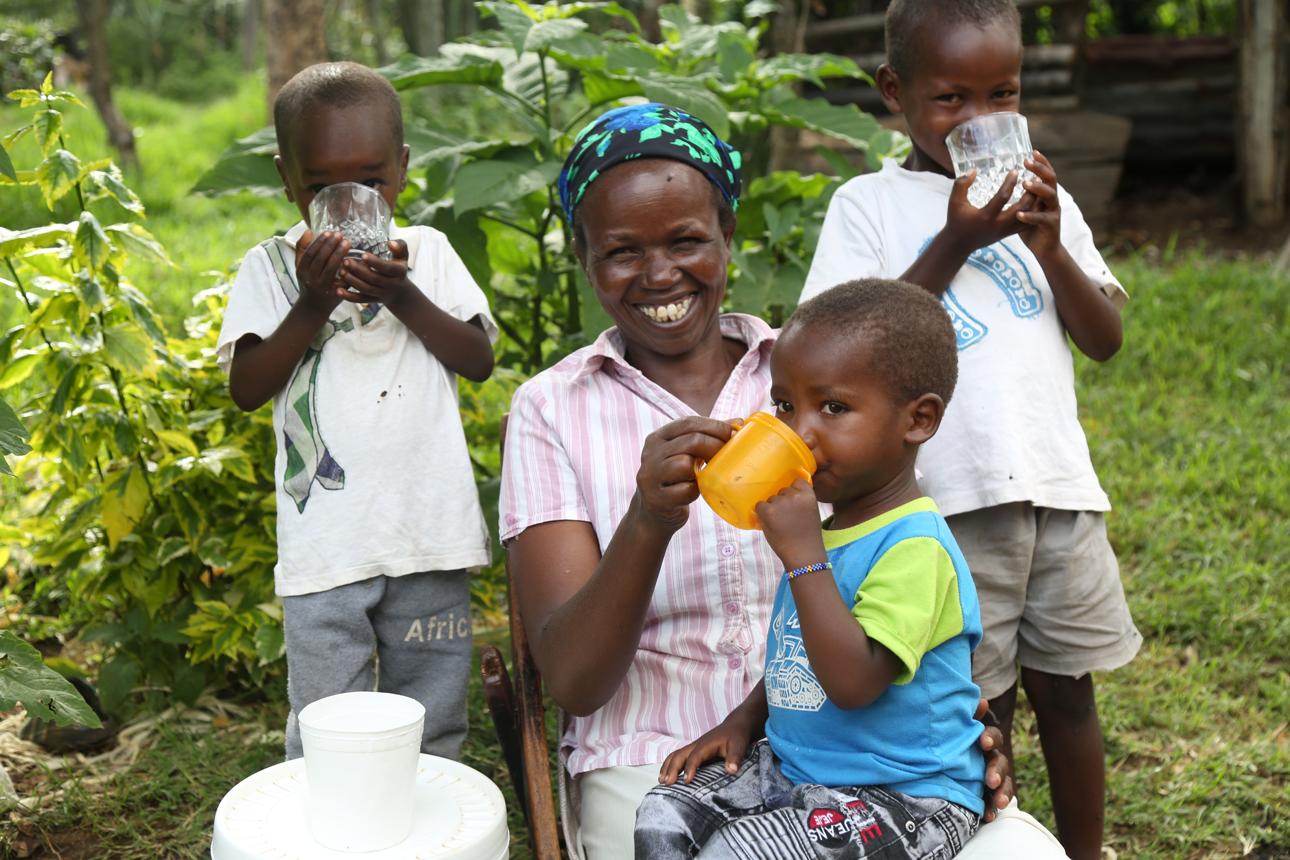
Good nutrition begins with more than having enough food. Families also need safe drinking water, hygienic food preparation, proper sanitation and access to essential healthcare. Without these conditions, even nutritious meals may not provide their full intended benefits.
For children growing up in vulnerable communities, unsafe water and repeated infections can interfere with healthy growth. Illness may reduce appetite, cause nutrient losses and place additional pressure on households already facing food insecurity.
Water, sanitation and nutrition are therefore closely connected foundations of healthy communities. Addressing them together can support disease prevention, child development and long-term wellbeing.
Imagine a household where parents work hard to provide balanced meals, but the family relies on contaminated drinking water. Children may repeatedly experience diarrhoeal illness, affecting their ability to retain fluids and absorb nutrients.
Now consider a different household with safe water but limited access to diverse foods. Although the family may experience fewer water-related infections, children can still face nutritional deficiencies.
These examples demonstrate why clean water, adequate nutrition and disease prevention should not be treated as unrelated development priorities.
Community wellbeing depends on how these essential services work together. Improvements in one area can strengthen progress in another, especially when interventions are coordinated and sustained.
This article explains how unsafe water contributes to illness, why repeated infections can worsen malnutrition and what households, schools, health facilities and development organisations can do to strengthen prevention.
Understanding the Relationship Between Water, Sanitation and Nutrition
Water, sanitation and hygiene are commonly grouped under the term WASH. These services support healthy living environments and reduce exposure to disease-causing microorganisms.
Nutrition involves obtaining and using the nutrients required for growth, energy, immunity and normal body functions.
Although these areas are sometimes managed through separate programmes, they are closely connected in everyday life.
| Essential Area | Main Contribution | Connection to Health |
|---|---|---|
| Safe drinking water | Provides water suitable for drinking and food preparation. | Reduces exposure to certain waterborne infections. |
| Sanitation | Supports safe management of human waste. | Helps prevent contamination of living environments and water sources. |
| Handwashing and hygiene | Reduces transfer of harmful microorganisms. | Supports prevention of infectious diseases. |
| Adequate nutrition | Provides energy and essential nutrients. | Supports growth, immunity and recovery from illness. |
| Healthcare | Supports prevention, diagnosis and treatment. | Helps manage illnesses and nutrition-related concerns. |
When these systems function effectively together, families are better positioned to maintain health and respond to common childhood illnesses.
Key principle: Nutritious food supports the body, while safe water and sanitation help protect it from infections that can undermine nutritional wellbeing.
1. How Unsafe Drinking Water Contributes to Disease
Water can become contaminated by human or animal waste, unsafe storage practices, damaged infrastructure or environmental pollution.
When contaminated water contains disease-causing microorganisms, drinking it can lead to infections affecting the digestive system.
Waterborne illnesses are especially concerning for young children, older adults and people with weakened immune systems.
Common Health Problems Associated With Unsafe Water
- Diarrhoeal diseases: Infections that cause frequent loose stools and can lead to dehydration.
- Cholera: A serious bacterial infection that can cause severe watery diarrhoea and rapid fluid loss.
- Typhoid fever: A bacterial illness associated with contaminated food or water.
- Intestinal infections: Certain bacteria, viruses and parasites can cause gastrointestinal illness.
- Other contamination-related conditions: Some chemical pollutants can create additional health risks that require different forms of prevention.
Not all contaminated water looks dirty. Clear water can still contain harmful microorganisms or chemical contaminants.
Protecting drinking water therefore requires attention to source safety, treatment where necessary and hygienic storage.
2. The Cycle Between Diarrhoeal Disease and Malnutrition
Diarrhoeal disease and malnutrition can reinforce each other, particularly among young children.
During diarrhoeal illness, the body may lose fluids and nutrients. A child may also eat less because of discomfort or reduced appetite.
Repeated illness can interfere with healthy growth and make existing nutritional problems worse.
At the same time, children experiencing undernutrition may have greater vulnerability to infections and complications.
How the Cycle Can Develop
Exposure to Unsafe Water or Food
A child consumes water or food contaminated with infectious microorganisms.
Development of Illness
Diarrhoea or another gastrointestinal infection may develop, affecting normal eating and digestion.
Fluid and Nutrient Losses
Illness can cause dehydration, reduced appetite and difficulties maintaining adequate nutrition.
Worsening Nutritional Status
Repeated or prolonged illness may contribute to undernutrition, particularly when food intake is already insufficient.
Greater Vulnerability to Further Illness
Undernutrition can impair immune function, increasing the risk of further infections and complications.
Breaking this cycle requires both infection prevention and appropriate nutritional care. Improving water safety without addressing inadequate diets leaves important needs unmet.
Likewise, nutritional support may be less effective when children continue experiencing repeated infections.
3. Why Safe Water Is Essential for Child Growth and Development
Children require adequate nutrition, safe water and healthy environments to support physical growth and development.
Water is needed for normal body functions, including temperature regulation, circulation and the movement of nutrients.
Safe water is also essential for preparing infant and young-child foods hygienically.
When families rely on unsafe water, children may experience repeated illnesses that affect their nutritional wellbeing.
Important Conditions for Healthy Child Development
- Age-appropriate and nutritionally adequate feeding.
- Safe drinking water and hygienic food preparation.
- Appropriate breastfeeding and complementary feeding practices.
- Access to preventive healthcare and recommended immunisation.
- Safe sanitation and regular handwashing.
- Timely assessment of growth and nutritional concerns.
- Responsive care and supportive home environments.
Healthy growth requires an integrated approach. Food, water, hygiene and healthcare all contribute to the conditions children need to develop and thrive.
4. The Importance of Safe Water in Food Preparation
Food safety begins before a meal reaches the table. Water used to wash ingredients, clean utensils and prepare meals can influence whether food remains safe to eat.
Using contaminated water during food preparation can introduce microorganisms into meals, even when ingredients were initially safe.
Food can also become contaminated through unwashed hands, dirty surfaces or improper storage.
Essential Food Hygiene Practices
- Wash hands with soap before preparing or handling food.
- Use safe water for washing foods and utensils.
- Separate raw foods from ready-to-eat meals.
- Cook food thoroughly using appropriate temperatures.
- Keep food preparation surfaces clean.
- Store perishable foods safely and avoid prolonged exposure to unsafe temperatures.
- Use clean, covered containers for drinking water.
- Protect prepared meals from insects, animals and other contamination sources.
Families with limited refrigeration, clean water or storage facilities may face additional challenges maintaining food safety.
Community programmes can help by combining practical hygiene education with improvements in basic infrastructure.
5. How Poor Sanitation Affects Nutrition and Public Health
Sanitation involves the safe management of human waste and the provision of suitable toilet facilities.
When sanitation systems are inadequate, human waste may contaminate soil, water sources and household environments.
This contamination can expose people to infectious microorganisms and contribute to disease transmission.
Children may be particularly vulnerable when they play in contaminated environments or have limited access to handwashing facilities.
Common Sanitation Challenges
| Sanitation Challenge | Possible Health Consequence | Protective Response |
|---|---|---|
| Unsafe waste disposal | Contamination of water and surrounding environments. | Appropriate sanitation infrastructure and safe waste management. |
| Inadequate toilets | Increased exposure to human waste. | Accessible, functional and hygienic toilet facilities. |
| Limited handwashing | Greater risk of transferring microorganisms. | Soap, water and practical hygiene education. |
| Poor drainage | Environmental contamination and standing wastewater. | Suitable drainage and maintenance systems. |
| Unsafe water storage | Recontamination of drinking water. | Clean, covered containers and hygienic handling. |
Improving sanitation is therefore important for both disease prevention and nutritional wellbeing.
These priorities align with SDC Kenya’s Water, Sanitation and Hygiene Programme.
6. Handwashing as a Simple but Powerful Prevention Practice
Handwashing with soap and safe water is one of the practical measures households can use to reduce the spread of many infectious microorganisms.
Hands can become contaminated after toilet use, cleaning a child, handling waste or touching contaminated surfaces.
When hands are not washed appropriately, microorganisms can be transferred to food, drinking water and other people.
Important Times to Wash Hands
- Before preparing food.
- Before eating or feeding a child.
- After using the toilet.
- After cleaning a child or changing a nappy.
- After handling human or animal waste.
- After coughing, sneezing or blowing the nose.
- Whenever hands are visibly dirty.
Handwashing education is most effective when families also have reliable access to soap, water and convenient washing facilities.
Awareness campaigns alone cannot overcome infrastructure shortages.
7. Safe Drinking Water Treatment and Storage at Household Level
Household water treatment can provide an additional layer of protection when drinking water safety is uncertain.
However, treatment methods vary in effectiveness. A method suitable for reducing certain microorganisms may not remove chemical contaminants.
Families should follow guidance from qualified water and public health authorities when selecting appropriate treatment methods.
Common Household Water Safety Measures
| Measure | Purpose | Important Consideration |
|---|---|---|
| Boiling | Inactivates many disease-causing microorganisms. | Does not remove many chemical contaminants. |
| Appropriate chlorination | Disinfects water when used correctly. | Requires correct product, dosage and contact time. |
| Suitable filtration | May remove selected particles or microorganisms. | Effectiveness depends on the filtration technology. |
| Safe storage | Helps prevent contamination after treatment. | Containers require cleaning and hygienic handling. |
| Water quality testing | Helps identify certain safety concerns. | Testing must be appropriate to suspected contaminants. |
Important Water Safety Reminder
Water that has been boiled or disinfected may still contain harmful chemicals. If chemical contamination is suspected, seek advice from the relevant water or public health authority. Do not assume that a single household treatment method makes every water source safe.
8. Nutrition During Childhood Illness and Recovery
Children experiencing diarrhoea or other illnesses may need additional support to maintain hydration and nutrition.
Dehydration can develop when the body loses more fluid than it receives, particularly during repeated diarrhoea or vomiting.
Oral rehydration solution can help replace fluids and electrolytes lost during diarrhoeal illness. Caregivers should use correctly prepared, approved oral rehydration salts according to package instructions and healthcare guidance.
Continuing age-appropriate feeding, including breastfeeding where applicable, can support recovery.
Important Care Priorities
- Recognise signs of dehydration early.
- Use appropriate oral rehydration treatment when indicated.
- Continue suitable feeding and breastfeeding as advised.
- Seek professional guidance about zinc treatment for childhood diarrhoea.
- Obtain medical assessment for persistent or worsening symptoms.
- Maintain safe water and hygiene practices during recovery.
When Urgent Medical Care Is Needed
Seek urgent medical assessment if a child is unusually sleepy or difficult to wake, unable to drink, has signs of severe dehydration, blood in the stool or other serious symptoms. Infants and young children can deteriorate quickly. Home care should not delay necessary treatment.
Community health education can help caregivers recognise warning signs and understand when professional care is required.
9. How Water Scarcity Can Worsen Food Insecurity
Water scarcity affects more than household drinking supplies. Agriculture, livestock and food production also depend on reliable water availability.
During prolonged dry periods, farmers may experience reduced crop production, lower livestock productivity and increased production costs.
These challenges can affect household incomes and access to nutritious foods.
When water becomes scarce, families may also have less water available for cooking, cleaning and maintaining sanitation.
How Water Scarcity Can Affect Nutrition
- Reduced availability of locally produced foods.
- Higher costs for some food products.
- Lower household income from agriculture.
- Reduced dietary diversity.
- Greater pressure on household water budgets.
- Difficulty maintaining safe food preparation practices.
- Increased vulnerability during drought and other emergencies.
Responses should combine responsible water management, nutrition support and appropriate livelihood strategies.
10. The Role of Schools in Nutrition and Disease Prevention
Schools are important environments for promoting hygiene, healthy eating and preventive health practices.
Children spend significant time at school, making access to safe drinking water and suitable sanitation essential.
Schools can also provide age-appropriate health education that children may share with their families.
Features of a Healthy School Environment
- Safe and reliable drinking water.
- Clean, accessible toilets.
- Handwashing stations with soap.
- Appropriate food hygiene arrangements.
- Nutrition education suited to learners’ ages.
- Safe waste management.
- Inclusive menstrual hygiene facilities.
- Appropriate health referral procedures.
Schools serving vulnerable communities may need additional infrastructure and operational support to maintain these services.
Explore SDC Kenya’s Education Programme to understand the wider importance of inclusive learning environments.
11. Maternal Health, Infant Feeding and Safe Water
Maternal nutrition and infant feeding practices are closely connected to child health and development.
Pregnant and breastfeeding women need adequate nutrition and access to safe drinking water to support their own wellbeing.
For infants, appropriate feeding practices are especially important because their immune systems and nutritional needs differ from those of older children.
Important Maternal and Infant Nutrition Considerations
- Support adequate maternal nutrition during pregnancy and breastfeeding.
- Promote exclusive breastfeeding for the first six months where medically appropriate.
- Introduce safe, nutritionally adequate complementary foods at around six months while continuing breastfeeding.
- Use safe water and hygienic utensils during food preparation.
- Follow professional guidance when infant formula is required.
- Monitor child growth and seek support for feeding difficulties.
- Encourage timely healthcare for maternal or infant health concerns.
Infant formula preparation requires particular attention to water safety, product instructions and hygienic handling. Families should seek qualified healthcare guidance when needed.
These priorities connect with SDC Kenya’s Nutrition Programme and Health Programme.
12. Community-Led Solutions for Better Water, Nutrition and Health
Community participation can strengthen development initiatives by helping identify local priorities and practical challenges.
Residents often understand seasonal water shortages, sanitation problems and household food security concerns that may not be immediately visible to outside organisations.
Effective community programmes should include meaningful participation from women, caregivers, young people, people with disabilities and other groups.
Practical Community Priorities
- Improve water access: Support reliable and appropriately managed water services.
- Protect water quality: Promote safe source management, treatment and storage.
- Strengthen sanitation: Improve access to hygienic toilets and safe waste management.
- Promote handwashing: Combine education with practical access to soap and water.
- Support nutrition education: Encourage appropriate diets and infant feeding practices.
- Improve healthcare connections: Support referrals and preventive health services.
- Engage local institutions: Coordinate schools, healthcare facilities and community groups.
- Plan maintenance: Ensure facilities remain functional beyond initial installation.
Programmes should be designed around local needs and supported by suitable technical expertise.
13. How NGOs Can Integrate WASH, Nutrition and Health Programmes
Development organisations can strengthen community health initiatives by coordinating activities across water, sanitation, nutrition and healthcare.
For example, a nutrition programme may identify children experiencing repeated illness. Collaboration with water and sanitation teams can help investigate whether unsafe water or hygiene conditions are contributing factors.
Similarly, improvements in community water access may create opportunities for additional hygiene education and nutrition support.
Elements of Effective Integrated Programming
| Programme Element | Practical Focus |
|---|---|
| Needs assessment | Identify overlapping water, nutrition and health challenges. |
| Community participation | Involve households in identifying priorities and solutions. |
| Technical coordination | Connect qualified professionals across relevant sectors. |
| Inclusive services | Consider vulnerable households and people with disabilities. |
| Preventive education | Provide practical guidance on hygiene, feeding and disease prevention. |
| Monitoring | Assess service reliability, health risks and programme outcomes. |
| Sustainability | Plan maintenance, financing and long-term community involvement. |
Integration should improve coordination without replacing specialised healthcare, nutrition or water safety expertise.
Individuals and organisations interested in supporting community development can explore opportunities to get involved with SDC Kenya.
14. Measuring Progress in Water, Nutrition and Disease Prevention
Effective programmes require monitoring that goes beyond counting infrastructure installations or awareness sessions.
A newly installed water point may not provide lasting benefits if it becomes unreliable or its water quality is unsafe.
Similarly, nutrition education should be accompanied by attention to actual food access and household circumstances.
Important Areas to Monitor
| Monitoring Area | Key Question |
|---|---|
| Water quality | Is drinking water safe for its intended use? |
| Water reliability | Are households receiving adequate water consistently? |
| Sanitation | Are appropriate toilets available and functional? |
| Hygiene access | Do households and institutions have soap and handwashing facilities? |
| Nutrition | Are children receiving appropriate diets and nutritional support? |
| Child health | Are illnesses identified and managed appropriately? |
| Service inclusion | Can vulnerable groups access essential services? |
| Sustainability | Are maintenance and management arrangements effective? |
Monitoring should respect confidentiality and use appropriate procedures when collecting personal health or nutrition information.
Frequently Asked Questions About Water, Sanitation and Nutrition
How does clean water improve nutrition?
Safe drinking water helps reduce exposure to infections that can cause diarrhoea, fluid loss and difficulties maintaining adequate nutrition. It also supports hygienic food preparation and normal body functions.
What is the connection between diarrhoea and malnutrition?
Diarrhoea can reduce appetite and cause nutrient and fluid losses. Repeated episodes may worsen undernutrition, while undernourished children can be more vulnerable to infections and complications.
Why are water, sanitation and hygiene important for children?
Safe water, sanitation and handwashing help reduce exposure to infectious microorganisms. These services support healthy environments, child wellbeing and educational participation.
Can poor sanitation contribute to child malnutrition?
Yes. Poor sanitation can increase exposure to infections, including diarrhoeal diseases and certain intestinal parasites. Repeated illness may interfere with nutritional wellbeing.
How can families prevent waterborne diseases?
Families can use safe drinking water, practise handwashing with soap, maintain hygienic toilets, prepare food safely and protect stored water from contamination. Appropriate water treatment may be necessary where supplies are unsafe.
Why should nutrition and WASH programmes work together?
Nutrition and WASH programmes address related challenges. Coordinating safe water, sanitation, hygiene, appropriate feeding and healthcare can provide more comprehensive support for vulnerable households.
What should caregivers do when a child develops diarrhoea?
Caregivers should prevent dehydration using appropriate oral rehydration treatment, continue suitable feeding and seek medical guidance. Urgent care is needed for severe dehydration, inability to drink, unusual drowsiness or other serious symptoms.
Conclusion — Healthy Communities Need Safe Water, Good Nutrition and Disease Prevention
Clean water, adequate nutrition and disease prevention are closely connected foundations of community wellbeing.
Unsafe drinking water and inadequate sanitation can expose families to infections that affect health and nutritional status. Repeated illness may be particularly harmful to young children whose bodies require adequate nutrients for growth and development.
At the same time, poor nutrition can weaken the body’s ability to respond to infections, creating additional health risks.
Breaking this cycle requires coordinated approaches that address water quality, sanitation, hygiene, food security and healthcare.
Families need reliable access to safe drinking water and suitable sanitation facilities. Children need appropriate diets, preventive healthcare and timely treatment when illness occurs.
Schools, health facilities and community organisations also require adequate infrastructure and resources to maintain safe environments.
Development initiatives are more likely to support lasting progress when they recognise these connections and involve communities in identifying sustainable solutions.
By strengthening water security, improving nutrition and supporting disease prevention, communities can create healthier conditions for children and families while building resilience for future generations.
Building Healthier Communities Through Integrated Development
Safe water, good nutrition and preventive healthcare are essential to community wellbeing. Learn more about SDC Kenya’s development priorities or connect with our team to explore opportunities for meaningful collaboration.