
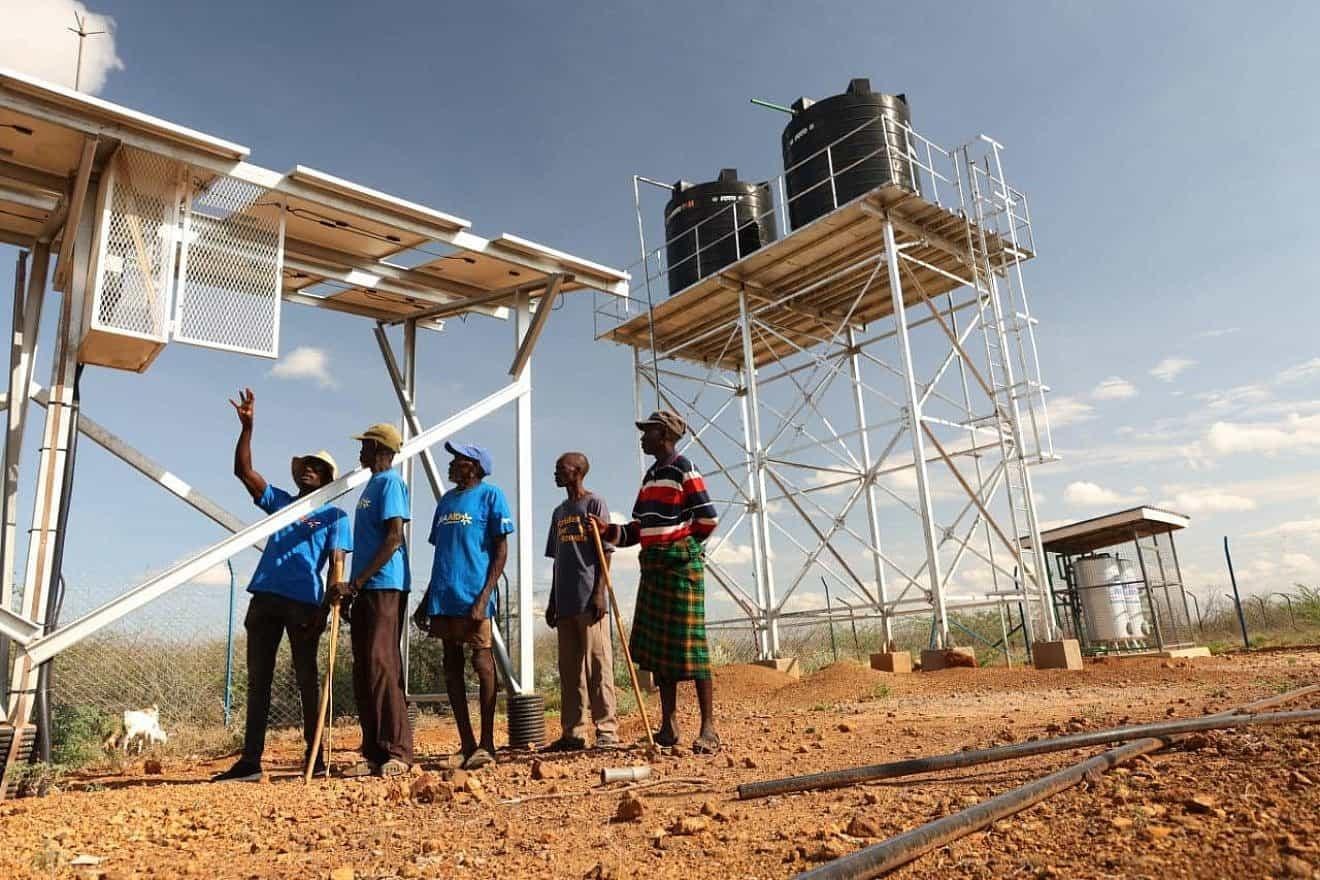
Climate Change and Water Scarcity — Challenges and Sustainable Solutions for Communities
Water is essential for life. Every household depends on it for drinking, cooking, sanitation and personal hygiene. Farmers need reliable water to grow crops and support livestock, while schools, healthcare facilities and local businesses require adequate supplies to function safely and effectively.
Yet for many communities, access to sufficient and safe water is becoming increasingly uncertain. Changing rainfall patterns, prolonged dry periods, rising temperatures and pressure on existing water resources can make it difficult for families to meet their daily needs.
Climate change and water scarcity are closely connected, but their relationship is complex. Climate change can intensify water shortages, while population growth, inadequate infrastructure, pollution and unsustainable water management can worsen existing problems.
When water becomes difficult to obtain, the consequences extend far beyond inconvenience. Families may spend more time collecting water, farmers may struggle with crop production, schools may face sanitation challenges and healthcare facilities may find it harder to maintain essential hygiene standards.
Water scarcity can also place additional pressure on household finances, nutrition, community relationships and local economic activities.
Addressing these challenges requires more than waiting for rainfall to improve. Communities need practical approaches that protect water sources, improve storage, reduce waste and strengthen resilience to changing environmental conditions.
This article explores the causes of water scarcity, how climate change affects water availability and the sustainable solutions that can help communities build more secure and resilient futures.
What Is Water Scarcity?
Water scarcity occurs when available water resources are insufficient to meet the needs of people, ecosystems and economic activities, or when access to usable water is limited by infrastructure, affordability or other barriers.
It does not always mean that a region has no water. In some areas, water may be physically available but difficult to access because of damaged infrastructure, inadequate treatment facilities or unequal distribution.
Understanding this distinction is important because different forms of water scarcity require different solutions.
The Main Types of Water Scarcity
| Type of Water Scarcity | What It Means | Possible Causes |
|---|---|---|
| Physical water scarcity | Available freshwater resources cannot adequately meet demand. | Low rainfall, drought, excessive withdrawals and limited natural water availability. |
| Economic water scarcity | Water may exist, but people lack the infrastructure or resources needed to access it safely. | Inadequate investment, poor infrastructure and affordability barriers. |
| Seasonal water scarcity | Water becomes insufficient during particular periods of the year. | Seasonal rainfall patterns, dry seasons and inadequate storage. |
| Water quality-related scarcity | Available water is unsafe or unsuitable for its intended use. | Pollution, contamination and inadequate treatment. |
These forms of scarcity may occur together. A community can experience low rainfall while also lacking reliable storage facilities and safe drinking water infrastructure.
Water security means more than water availability. Communities need reliable access to sufficient quantities of safe, affordable water while protecting the ecosystems that sustain water resources.
1. How Climate Change Contributes to Water Scarcity
Climate change affects the water cycle through changes in temperature, rainfall, evaporation and the frequency or intensity of certain extreme weather events.
These changes do not affect every region in the same way. Some places may experience longer dry periods, while others may face heavier rainfall and flooding. Both situations can create difficulties for water supply and management.
Changing Rainfall Patterns
Many communities depend on seasonal rainfall for agriculture, groundwater recharge and the replenishment of rivers and reservoirs.
When rainfall becomes less predictable, planning becomes more difficult. Farmers may struggle to determine appropriate planting periods, while water providers may face uncertainty about future supplies.
Heavy rainfall can also arrive over short periods, increasing runoff rather than allowing water to infiltrate the soil and recharge underground reserves.
Higher Temperatures and Evaporation
Rising temperatures can increase evaporation from exposed water surfaces and influence the amount of moisture lost from soils and vegetation.
This can place additional pressure on reservoirs, agricultural land and other water resources, particularly during dry conditions.
Prolonged Drought Conditions
Drought develops when water availability remains unusually low over a sustained period. It can affect drinking water supplies, agriculture, livestock and ecosystems.
Climate change can increase drought risk or severity in some regions, although individual drought events are also influenced by natural climate variability and local environmental conditions.
Flooding and Water Contamination
Flooding may seem unrelated to water scarcity, but severe floods can damage water infrastructure and contaminate drinking water sources.
Floodwaters may carry waste, sediment and pollutants into wells, rivers and storage systems. Communities can therefore experience unsafe drinking water even when large amounts of water are present.
2. Why Water Scarcity Is a Major Challenge for Vulnerable Communities
Water scarcity affects communities differently depending on their income, location, infrastructure and access to essential services.
Households with reliable water connections, storage facilities and financial resources may be better able to manage temporary shortages.
Families that depend on distant water sources or unreliable supplies may face much greater difficulties.
How Water Scarcity Affects Everyday Life
- Household wellbeing: Families may struggle to obtain sufficient water for drinking, cooking and hygiene.
- Health: Limited safe water can increase exposure to preventable diseases.
- Education: Children may miss learning time when water collection or inadequate school sanitation becomes a challenge.
- Food security: Reduced agricultural production can affect food availability and household income.
- Livelihoods: Businesses and farmers may face higher costs or reduced productivity.
- Community relationships: Competition over limited water resources can increase tension.
- Environmental wellbeing: Rivers, wetlands and other ecosystems may deteriorate when water pressures become excessive.
These effects often overlap. A household experiencing reduced agricultural income may also struggle to afford safe water, nutritious food and other essential services.
Effective responses should therefore address water scarcity as a development challenge rather than treating it only as an environmental issue.
3. The Impact of Water Scarcity on Agriculture and Food Security
Agriculture depends on suitable growing conditions, including adequate soil moisture and access to water when rainfall is insufficient.
When dry periods become prolonged or rainfall arrives at unexpected times, farmers may experience reduced crop growth, lower yields or losses.
Livestock production can also be affected when water sources and pasture become less reliable.
These challenges may reduce household income and make food more difficult to obtain, particularly in communities where agriculture is a major livelihood.
Common Agricultural Challenges Linked to Water Scarcity
| Challenge | Potential Effect | Possible Adaptation |
|---|---|---|
| Unpredictable rainfall | Difficulty planning planting and harvesting. | Climate information and locally suitable crop planning. |
| Reduced soil moisture | Poor crop growth and increased water stress. | Mulching, soil conservation and appropriate irrigation. |
| Limited irrigation water | Reduced production during dry periods. | Efficient irrigation and responsible water allocation. |
| Water shortages for livestock | Reduced animal health and productivity. | Improved water planning and sustainable livestock management. |
| Soil degradation | Lower water retention and reduced productivity. | Soil restoration and appropriate land management. |
Adaptation strategies must reflect local conditions. A technique that works in one area may be unsuitable elsewhere because of differences in soil, rainfall, available resources or farming systems.
Communities benefit from practical agricultural guidance, reliable climate information and access to appropriate technical support.
4. Water Scarcity, Public Health and Sanitation
Safe water is essential for preventing disease and maintaining healthy living environments.
When households lack reliable water supplies, basic hygiene practices can become difficult. Families may also turn to untreated sources that contain harmful microorganisms or other contaminants.
Unsafe water and inadequate sanitation can contribute to diarrhoeal diseases and other health problems, particularly among young children and people with increased health vulnerabilities.
Important Health Risks Associated With Water Scarcity
- Greater reliance on unsafe drinking water sources.
- Difficulty maintaining regular handwashing practices.
- Challenges cleaning food preparation areas and utensils.
- Reduced sanitation and toilet hygiene.
- Increased risk of water-related infectious diseases.
- Difficulty maintaining safe conditions in healthcare facilities.
- Additional challenges for menstrual hygiene management.
Safe water is a public health necessity. Reliable water supplies support disease prevention, food hygiene, sanitation and the safe delivery of healthcare services.
Water security is closely connected to the priorities of SDC Kenya’s Water, Sanitation and Hygiene Programme.
5. How Water Scarcity Affects Women, Girls and Children’s Education
Water collection responsibilities can affect household members differently. In some communities, women and girls spend substantial time obtaining water for domestic use.
When water sources become more distant or unreliable, collection journeys may take longer and create additional physical and safety concerns.
For school-age children, these responsibilities can interfere with attendance, homework and opportunities for rest or recreation.
Schools themselves also need adequate water for drinking, handwashing, sanitation and menstrual hygiene facilities.
Why Water Access Matters for Education
- Reliable school water supplies support hygiene and sanitation.
- Functional toilets help create safer and more inclusive learning environments.
- Reduced household water collection burdens may free time for learning.
- Safe drinking water supports children’s wellbeing during school hours.
- Appropriate menstrual hygiene facilities support dignity and participation.
- Water availability helps schools maintain clean learning environments.
Addressing water scarcity can therefore contribute to educational participation, particularly when combined with safe schools and supportive household arrangements.
These connections are relevant to the educational priorities described in SDC Kenya’s Education Programme.
6. Rainwater Harvesting as a Sustainable Water Solution
Rainwater harvesting involves collecting and storing rainfall for later use. It can help households, schools and community facilities make better use of water during rainy periods.
Common systems collect runoff from rooftops and direct it through gutters into suitable storage tanks.
However, the effectiveness of rainwater harvesting depends on rainfall patterns, roof area, storage capacity, maintenance and intended water use.
Important Components of a Rainwater Harvesting System
Suitable Collection Surface
Identify an appropriate roof or collection area and consider materials that may affect water quality.
Gutters and Conveyance
Use properly installed gutters and pipes to direct rainfall toward storage.
Debris and First-Flush Management
Include appropriate measures to reduce leaves, dirt and initial roof contaminants entering storage.
Safe Water Storage
Use suitable covered tanks with appropriate overflow and maintenance arrangements.
Water Quality Protection
Assess whether treatment is needed for the intended use, particularly drinking and food preparation.
Harvested rainwater is not automatically safe to drink. Water quality should be assessed, and appropriate treatment should be used where necessary.
Systems also require routine inspection, cleaning and maintenance to remain effective.
7. Protecting Rivers, Wetlands and Groundwater Sources
Water security depends partly on the health of natural ecosystems. Rivers, wetlands, forests and groundwater systems contribute to water storage, filtration and the movement of water through the environment.
When these systems are degraded, communities may experience reduced water quality, increased erosion or changes in local water availability.
Protecting natural water sources is therefore an important part of sustainable water management.
Community Water Source Protection Measures
- Prevent dumping of waste into rivers and drainage channels.
- Protect appropriate vegetation around sensitive water sources.
- Reduce soil erosion through suitable land management.
- Maintain safe sanitation practices near wells and water points.
- Promote responsible groundwater abstraction.
- Protect wetlands and other important ecosystems.
- Support local monitoring of pollution and environmental damage.
- Coordinate conservation efforts with relevant authorities.
Conservation measures should be based on local environmental conditions and applicable regulations. Community participation is valuable, but technical assessment may be necessary for complex water resource management decisions.
8. Water Conservation and Efficient Household Use
Water conservation means using available supplies responsibly and reducing avoidable waste.
Household conservation can help make limited water supplies last longer, particularly during periods of shortage.
However, conservation should not be used as a substitute for providing adequate water services. Families still need sufficient quantities for drinking, hygiene, sanitation and other essential needs.
Practical Household Water Conservation Measures
- Repair leaking taps and damaged pipes promptly.
- Use suitable containers to reduce spills during collection and storage.
- Store water safely in covered containers.
- Use water-efficient fixtures where practical.
- Plan non-essential water use carefully during shortages.
- Collect suitable rainwater for appropriate non-drinking uses.
- Maintain storage tanks and distribution equipment.
- Encourage responsible water use without compromising hygiene.
Some forms of household wastewater reuse may be possible for specific purposes, but they require appropriate safeguards. Untreated wastewater should not be assumed safe for irrigation, household cleaning or other activities.
9. Climate-Smart Agriculture and Water Efficiency
Climate-smart agricultural approaches aim to help farming systems respond to changing environmental conditions while supporting productivity and responsible resource use.
Water-efficient farming is especially important where rainfall is unreliable or irrigation resources are limited.
Examples of Water-Saving Agricultural Practices
| Practice | Potential Benefit | Important Consideration |
|---|---|---|
| Drip irrigation | Delivers water near plant roots and can reduce some losses. | Requires suitable design, maintenance and water management. |
| Mulching | Can reduce soil moisture loss and protect soil surfaces. | Materials and methods should suit local crops and conditions. |
| Soil conservation | Helps improve soil structure and water infiltration. | Techniques depend on slope, soil type and land use. |
| Crop diversification | May reduce reliance on a single crop under changing conditions. | Requires attention to markets, nutrition and local suitability. |
| Rainwater storage | Can provide supplementary water during dry periods. | Storage must be appropriately designed and managed. |
| Climate-informed planning | Supports decisions about planting and resource allocation. | Forecasts contain uncertainty and should be interpreted carefully. |
Farmers need access to practical training and reliable technical advice before investing in unfamiliar irrigation systems or changing established practices.
10. Community-Led Water Management and Local Participation
Water infrastructure is more likely to remain useful when communities participate in planning, management and maintenance.
Community involvement can help identify local priorities, understand seasonal challenges and establish appropriate arrangements for shared resources.
However, participation must be inclusive. Women, people with disabilities, low-income households and other groups should have meaningful opportunities to contribute.
Elements of Effective Community Water Management
- Inclusive planning: Involve different household groups in identifying needs.
- Clear responsibilities: Define who manages, maintains and monitors water facilities.
- Financial transparency: Establish accountable arrangements for operational costs.
- Technical support: Ensure access to qualified assistance for repairs and safety concerns.
- Water quality monitoring: Maintain appropriate checks for intended uses.
- Fair access: Consider affordability and the needs of vulnerable households.
- Conflict resolution: Create respectful procedures for addressing disagreements.
- Long-term maintenance: Plan for replacement parts, repairs and changing demand.
Community ownership does not mean communities must carry every financial or technical responsibility alone. Sustainable systems often require cooperation with public authorities, service providers and development partners.
11. Why Water Infrastructure Must Be Climate Resilient
Water infrastructure includes boreholes, storage tanks, pipelines, treatment facilities, drainage systems and other structures used to collect, transport or manage water.
Climate-related risks can affect the reliability of these systems. Flooding may damage equipment, while prolonged drought may reduce the availability of water from certain sources.
Climate-resilient infrastructure is designed and managed with these risks in mind.
Important Infrastructure Planning Considerations
- Assess the long-term reliability of the water source.
- Consider drought and flood exposure.
- Plan for population changes and future water demand.
- Use appropriate construction and safety standards.
- Include routine maintenance and inspection arrangements.
- Provide suitable water quality monitoring.
- Consider energy requirements and operating costs.
- Ensure accessibility and equitable service arrangements.
Infrastructure decisions should be guided by qualified technical professionals and relevant regulatory requirements.
Important Consideration for Boreholes and Groundwater
Drilling additional boreholes is not always a sustainable response to water scarcity. Groundwater availability, recharge rates, water quality and abstraction levels must be assessed. Uncontrolled extraction can create long-term problems for communities and ecosystems.
12. The Role of NGOs and Development Partners in Water Security
Non-governmental organisations and development partners can support water security by strengthening community capacity, improving access to information and collaborating on appropriate infrastructure and environmental initiatives.
Effective projects should respond to demonstrated needs and align with relevant water management policies and technical standards.
Short-term infrastructure installation alone is not enough. Sustainable water services require maintenance arrangements, appropriate financing, technical support and accountable management.
How Development Organisations Can Contribute
- Assess community needs: Understand existing water sources, demand and access barriers.
- Support inclusive planning: Involve households and vulnerable groups in decisions.
- Promote water conservation: Provide practical education about responsible use.
- Strengthen technical capacity: Support appropriate training and maintenance arrangements.
- Encourage environmental protection: Promote responsible management of water sources.
- Improve coordination: Work with relevant authorities and service providers.
- Monitor performance: Assess reliability, safety, accessibility and sustainability.
- Plan for long-term operation: Consider financial and technical requirements beyond project completion.
Individuals and organisations interested in supporting community development can explore opportunities to get involved with SDC Kenya.
13. Measuring Progress Toward Sustainable Water Security
Water projects should be evaluated according to whether they provide reliable, safe and accessible services over time.
The number of water points installed may be useful to record, but it does not fully demonstrate whether households have adequate water access.
Monitoring should consider water quality, service reliability, affordability, maintenance and the needs of different community groups.
| Monitoring Area | Useful Question |
|---|---|
| Water availability | Is sufficient water available throughout the year? |
| Water quality | Is water safe for its intended use? |
| Accessibility | Can households reach and use water services safely? |
| Affordability | Can vulnerable households obtain necessary water? |
| Reliability | How often do services experience interruptions? |
| Maintenance | Are facilities repaired and maintained appropriately? |
| Environmental sustainability | Are water sources managed without excessive depletion or damage? |
| Community participation | Are different groups meaningfully involved in decisions? |
Monitoring should be continuous enough to identify emerging problems before they lead to prolonged service interruptions.
Frequently Asked Questions About Climate Change and Water Scarcity
How does climate change cause water scarcity?
Climate change can affect water availability by altering rainfall patterns, increasing evaporation and influencing drought conditions in some regions. It can also contribute to flooding that damages water infrastructure or contaminates supplies. The effects vary by location.
What are the main causes of water scarcity?
Water scarcity can result from low rainfall, drought, excessive water withdrawals, population growth, pollution, inadequate infrastructure and unequal access to available resources. Several factors may occur together.
How does water scarcity affect rural communities?
Water shortages can affect drinking water, sanitation, farming, livestock, household income and education. Communities with limited infrastructure or financial resources may experience greater difficulties.
Can rainwater harvesting help reduce water shortages?
Rainwater harvesting can provide supplementary water during dry periods when rainfall, collection surfaces and storage capacity are suitable. Systems require maintenance, and harvested water may need treatment before drinking.
What is sustainable water management?
Sustainable water management involves using and protecting water resources in ways that meet present needs while maintaining their availability and quality for future generations. It includes conservation, infrastructure maintenance, environmental protection and fair access.
How can communities adapt to water scarcity?
Communities can improve storage, protect water sources, reduce waste, strengthen maintenance systems, use appropriate agricultural practices and participate in inclusive water planning. Solutions should reflect local environmental and economic conditions.
Why is safe water important for public health?
Safe water supports drinking, food preparation, handwashing, sanitation and healthcare. Inadequate access can increase exposure to infectious diseases and make essential hygiene practices more difficult.
Conclusion — Building Water-Secure and Climate-Resilient Communities
Climate change and water scarcity are closely connected challenges that affect health, agriculture, education, livelihoods and environmental wellbeing.
Changing rainfall patterns, rising temperatures and prolonged dry periods can place pressure on existing water resources. At the same time, inadequate infrastructure, pollution and unsustainable management can make water shortages more severe.
Addressing these challenges requires coordinated action that combines environmental protection, appropriate infrastructure, responsible water use and community participation.
Rainwater harvesting, efficient irrigation, water conservation and the protection of natural ecosystems can contribute to stronger water security when they are carefully planned and maintained.
However, sustainable progress also depends on inclusive governance, reliable technical support, appropriate financing and long-term monitoring.
Communities should not have to face water insecurity without support. Public institutions, local organisations, development partners and households all have important roles in protecting essential water resources.
By investing in sustainable water management and climate resilience, communities can strengthen their ability to respond to environmental changes while protecting the health and wellbeing of future generations.
Working Together for Sustainable Water Security
Building climate-resilient communities requires reliable water access, environmental protection and meaningful partnerships. To learn more about SDC Kenya’s community development priorities or discuss opportunities for collaboration, connect with our team.