
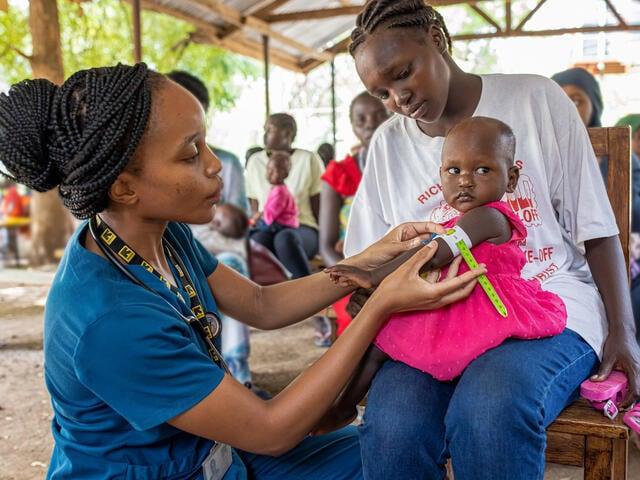
Improving Maternal and Child Health Through Community-Based Healthcare
A healthy pregnancy, a safe birth and a child’s opportunity to grow are among the most important foundations of family wellbeing. Yet for many mothers and children, receiving timely healthcare is not always straightforward. Distance to health facilities, limited resources, inadequate information and difficulties accessing qualified medical services can turn preventable health problems into serious emergencies.
Maternal and child health is therefore about much more than treatment when someone becomes ill. It includes the care a woman receives before and during pregnancy, the support available during childbirth, the attention given to mothers and newborns after delivery, and the services children need as they grow.
These stages of care are closely connected. A mother who receives appropriate antenatal care has opportunities to identify health concerns before delivery. A newborn who receives timely assessment and feeding support has a stronger foundation for early development. A child who receives recommended immunisations, adequate nutrition and prompt treatment for illness is better protected against avoidable health risks.
Community-based healthcare helps connect these essential services with the households that need them. By combining trained community health workers, accessible health education, referral systems and professional medical care, communities can strengthen the continuity of care for mothers, infants and young children.
Understanding how these services work together is an important step toward building healthier families and more resilient communities.
What Is Maternal and Child Health?
Maternal and child health refers to the health and wellbeing of women during pregnancy, childbirth and the period after delivery, together with the health, growth and development of newborns, infants and children.
It brings together preventive healthcare, medical assessment, nutrition, immunisation, health education and timely treatment. The aim is not simply to reduce illness but also to support safe pregnancy experiences, healthy childhood development and access to respectful healthcare.
Maternal and child health services generally include:
- Antenatal care: Health assessments, screening and guidance during pregnancy.
- Skilled childbirth care: Delivery attended by qualified healthcare professionals with access to appropriate emergency support.
- Postnatal care: Monitoring the health of mothers and newborns after birth.
- Newborn care: Essential assessments, feeding support, warmth and infection prevention.
- Child immunisation: Vaccination according to the national immunisation schedule.
- Nutrition services: Breastfeeding support, complementary feeding guidance and growth monitoring.
- Child illness management: Early recognition, professional assessment and appropriate treatment of childhood illnesses.
- Family health education: Practical information that helps caregivers make informed health decisions.
These services are most effective when they are connected rather than delivered as isolated activities. A family should be able to move from pregnancy care to delivery, postnatal follow-up and routine child health services without unnecessary interruptions.
Why Maternal and Child Health Matters for Community Development
Healthy mothers and children contribute to the wellbeing of entire households. When a mother experiences serious health complications, the consequences may affect childcare, household income, emotional wellbeing and access to essential services. Similarly, repeated childhood illness can interrupt learning, place financial pressure on families and affect development.
Improving maternal and child health is therefore both a public health priority and an important part of sustainable community development.
| Area of Wellbeing | How Maternal and Child Healthcare Helps |
|---|---|
| Maternal safety | Supports early identification and management of pregnancy-related health risks. |
| Newborn survival | Promotes skilled care, early assessment and timely treatment of complications. |
| Child development | Supports nutrition, immunisation, growth monitoring and early childhood health. |
| Family wellbeing | Helps reduce the disruption and financial burden associated with preventable illness. |
| Education | Healthier children may be better able to participate consistently in learning. |
| Community resilience | Strengthens awareness, preventive practices and connections to essential services. |
Maternal and child healthcare also has an important equity dimension. Women and children facing poverty, disability, displacement or geographic barriers may experience greater difficulties obtaining services. Addressing these barriers helps make healthcare more inclusive.
1. Antenatal Care Helps Protect Mothers and Unborn Babies
Antenatal care is the healthcare provided during pregnancy. It allows qualified professionals to monitor the health of the pregnant woman and developing baby, identify potential complications and provide information that supports a safer pregnancy.
Pregnancy may progress without obvious difficulties, but some medical conditions develop without clear symptoms in their early stages. Regular assessments create opportunities to detect concerns that might otherwise remain unnoticed.
Women are encouraged to begin antenatal care early in pregnancy and follow the schedule recommended by their healthcare provider and applicable national guidance.
What Happens During Antenatal Care?
The services offered depend on the stage of pregnancy, individual health needs and the healthcare setting. Common components include:
- Blood pressure monitoring and assessment for pregnancy-related complications.
- Screening for anaemia and selected infections.
- Monitoring the baby’s growth and development.
- Nutrition counselling and appropriate supplementation.
- Vaccinations and preventive interventions when indicated.
- Discussion of previous pregnancies and existing medical conditions.
- Birth preparedness and emergency planning.
- Guidance on symptoms that require urgent medical attention.
Recognising Pregnancy Warning Signs
Pregnant women and their families should know when immediate medical assessment is necessary. Some symptoms can indicate potentially serious complications.
Pregnancy Warning Signs That Need Urgent Medical Attention
- Heavy vaginal bleeding.
- Severe headache, especially with blurred vision.
- Convulsions or loss of consciousness.
- Severe abdominal pain.
- Difficulty breathing or chest pain.
- High fever or signs of serious infection.
- A noticeable reduction or absence of fetal movements after movements have become established.
Important: These symptoms require urgent assessment at an appropriate health facility. Families should not wait for a routine appointment or rely on home remedies.
Antenatal care is also an opportunity for emotional support. Women should be able to discuss concerns, ask questions and receive information in a respectful and confidential environment.
2. Skilled Birth Attendance Is Essential for Safer Childbirth
Childbirth is a major event in a family’s life, and most families hope for a safe, positive experience. However, complications can develop unexpectedly, including in pregnancies that appeared uncomplicated.
Skilled birth attendance means receiving care from qualified healthcare professionals who are trained to support normal childbirth, recognise complications and arrange appropriate emergency treatment or referral.
Safe childbirth requires more than the presence of a trained individual. Health facilities also need suitable equipment, essential medicines, infection prevention measures, reliable communication and access to emergency obstetric and newborn services.
Why Birth Preparedness Matters
Families can reduce avoidable delays by discussing a practical birth plan during pregnancy.
- Identify an appropriate health facility for delivery.
- Understand how to reach the facility when labour begins.
- Plan for transport, including possible emergencies.
- Keep important medical records accessible.
- Discuss available financial arrangements and essential supplies.
- Know where emergency obstetric and newborn care can be obtained.
- Identify a trusted support person, according to the mother’s preferences.
Birth planning should remain flexible. A healthcare professional may recommend a different delivery arrangement when medical risks are identified.
Why timely referral matters: Serious complications such as severe bleeding, obstructed labour and hypertensive emergencies can become life-threatening. Prompt recognition and access to appropriate emergency care are essential.
3. Postnatal Care Protects Mothers and Newborns After Delivery
Healthcare does not end when a baby is born. The days and weeks following childbirth are an important period of physical recovery, adjustment and newborn development.
During this time, mothers may experience complications such as excessive bleeding, infection, high blood pressure or mental health difficulties. Newborns may require attention for feeding problems, jaundice, infection or breathing difficulties.
Postnatal care provides opportunities for qualified healthcare professionals to identify these concerns, support recovery and help families adjust to caring for a newborn.
Important Areas of Postnatal Care
| Care Area | What Healthcare Providers Assess or Support |
|---|---|
| Maternal recovery | Bleeding, pain, healing, blood pressure and signs of complications. |
| Newborn wellbeing | Breathing, temperature, feeding, activity and signs of illness. |
| Breastfeeding | Positioning, attachment, milk transfer and feeding concerns. |
| Emotional wellbeing | Maternal mood, stress and possible mental health difficulties. |
| Family planning | Information about suitable postpartum contraception options. |
| Follow-up care | Appointments, newborn screening, immunisation and referral needs. |
The World Health Organization recommends a structured approach to postnatal care during the first six weeks after birth. The exact arrangements should follow national guidance and the individual needs of the mother and baby.
Maternal Mental Health Deserves Attention
Pregnancy and childbirth can bring significant emotional changes. Some mothers experience persistent sadness, anxiety, overwhelming distress or difficulty coping after delivery.
These concerns deserve compassionate attention rather than judgement. Support from family members can be valuable, but persistent or severe symptoms require assessment by an appropriate healthcare professional.
Thoughts of self-harm or harming the baby, severe confusion or symptoms suggesting a loss of contact with reality require immediate emergency medical assessment.
4. Community Health Workers Connect Families With Essential Care
Community health workers play an important role in bringing health information and support closer to households. Depending on their training, responsibilities and national health policies, they may provide education, support routine follow-up, recognise warning signs and connect families with professional healthcare services.
In Kenya, community health promoters and other community-level health personnel can help strengthen the relationship between households and the formal healthcare system.
These workers often understand local circumstances, including common barriers to accessing services. Their familiarity with communities can help make health communication more relevant and accessible.
How Community Health Workers Support Maternal and Child Health
- Pregnancy awareness: Encouraging early antenatal attendance and helping families understand the importance of routine care.
- Health education: Sharing accurate information about pregnancy, nutrition, newborn care and disease prevention.
- Referral support: Helping families recognise when professional medical assessment is needed.
- Postnatal follow-up: Supporting mothers and newborns according to approved community health protocols.
- Immunisation awareness: Reminding caregivers about scheduled vaccination services.
- Nutrition education: Supporting healthy infant and young child feeding practices.
- Community feedback: Identifying practical barriers that prevent households from accessing services.
Community health workers are most effective when they receive appropriate training, supportive supervision, necessary supplies and reliable referral connections. They should not be expected to diagnose or treat conditions beyond their authorised scope of practice.
Community engagement complements facility-based services rather than replacing qualified doctors, nurses, midwives and other healthcare professionals.
5. Newborn Care Begins Immediately After Birth
The first hours and days of a newborn’s life require careful attention. Babies must adapt to breathing, feeding and maintaining body temperature outside the womb.
Essential newborn care includes appropriate assessment by trained health professionals, thermal protection, infection prevention, feeding support and recognition of complications.
Important Newborn Care Practices
- Keeping the baby warm: Appropriate drying, skin-to-skin contact and protection from excessive heat loss.
- Early feeding support: Helping mothers begin breastfeeding when possible and addressing feeding difficulties.
- Clean cord care: Following professional guidance to reduce infection risk.
- Newborn assessment: Checking for breathing difficulties, abnormal temperature and other warning signs.
- Recommended preventive care: Receiving newborn interventions and vaccinations according to national guidelines.
- Follow-up: Attending scheduled postnatal and newborn health appointments.
Newborn Danger Signs Families Should Recognise
Newborns can become seriously ill quickly. Immediate medical attention is needed when a baby has difficulty breathing, convulsions, severe lethargy, an inability to feed, fever, abnormally low temperature or other concerning signs of serious illness.
Parents and caregivers should not attempt to manage these symptoms with unverified remedies or delay seeking professional help.
Community health education can help families understand what is normal, recognise concerning symptoms and know where to obtain timely care.
6. Nutrition Is a Foundation of Maternal and Child Health
Good nutrition supports a woman’s health during pregnancy and recovery after childbirth. It also plays a central role in a child’s growth, immune function and development.
Maternal nutrition and child nutrition are closely connected, but their needs differ across life stages. Pregnant women require appropriate dietary guidance and, where indicated, supplementation. Infants and young children need age-appropriate feeding, safe food preparation and regular monitoring of growth.
Maternal Nutrition During Pregnancy
A varied diet can help provide essential nutrients needed during pregnancy. Depending on individual circumstances, healthcare providers may recommend iron, folic acid or other supplements.
Pregnant women should receive advice that reflects their health status, dietary needs and available resources. Medical conditions such as anaemia, diabetes or hypertension may require additional nutritional management.
Infant and Young Child Feeding
The World Health Organization recommends exclusive breastfeeding for approximately the first six months of life, followed by the introduction of safe, nutritionally adequate complementary foods while breastfeeding continues up to two years or beyond, when possible and appropriate.
Some families may require specialised feeding advice because of maternal or infant medical conditions. They should receive individual guidance from qualified healthcare professionals.
| Life Stage | Important Nutrition Priorities |
|---|---|
| Pregnancy | Adequate dietary intake, appropriate supplementation and professional nutrition counselling. |
| Birth to 6 months | Exclusive breastfeeding where possible, with professional support for feeding challenges. |
| From around 6 months | Introduction of safe, diverse complementary foods alongside continued breastfeeding. |
| Early childhood | Balanced meals, growth monitoring, safe food preparation and assessment of feeding difficulties. |
Malnutrition can affect children’s growth and development, while repeated infections may worsen nutritional difficulties. This is why nutrition services should be connected with healthcare, safe water and hygiene education.
These relationships are also central to the development priorities described in SDC Kenya’s Nutrition Programme.
7. Childhood Immunisation Protects Against Preventable Diseases
Vaccination is an important component of preventive healthcare. Vaccines help the immune system develop protection against specific infectious diseases and can reduce the risk of serious illness and complications.
Children need vaccines at recommended ages because the timing of doses is designed to provide protection during important stages of development.
Caregivers should follow Kenya’s current national immunisation schedule and seek advice from qualified healthcare providers if a child has missed a scheduled vaccination.
Why Immunisation Follow-Up Matters
- Some vaccines require more than one dose to provide the intended protection.
- Timely vaccination helps protect children during vulnerable periods.
- Healthcare visits provide opportunities to assess growth and general wellbeing.
- Accurate records help caregivers and health professionals track completed and outstanding vaccinations.
- Community health education can address concerns and encourage informed decisions.
Parents may encounter conflicting information about vaccines. Reliable guidance should come from qualified healthcare professionals and recognised public health authorities rather than unverified social media claims.
Vaccination services also depend on functioning health systems, including trained personnel, appropriate storage, reliable supplies and accessible service locations.
8. Clean Water and Hygiene Support Healthier Mothers and Children
Maternal and child health is closely connected to the environment in which families live. Unsafe drinking water, inadequate sanitation and poor hygiene increase exposure to infectious diseases that can affect pregnant women, newborns and young children.
Diarrhoeal illness is particularly concerning for young children because it can cause dehydration and contribute to nutritional difficulties.
Families need reliable access to safe water for drinking, food preparation, handwashing and cleaning feeding utensils.
Practical Household Hygiene Priorities
- Wash hands with soap before preparing food and feeding children.
- Use safe drinking water and store it in clean, covered containers.
- Clean feeding utensils thoroughly.
- Use hygienic toilet facilities and manage waste safely.
- Prepare and store children’s food appropriately.
- Keep areas used for infant care clean.
- Seek medical advice promptly when children show signs of dehydration or serious illness.
These measures support preventive healthcare, but families also need adequate infrastructure and public services to practise them consistently.
For further information about the connection between safe water, sanitation and public health, explore SDC Kenya’s Water, Sanitation and Hygiene Programme.
9. What Prevents Mothers and Children From Accessing Healthcare?
Even when health services exist, families may experience significant barriers to using them. These barriers are often interconnected, making it difficult to address them through a single intervention.
Understanding the challenges is essential for developing effective community-based healthcare systems.
| Common Barrier | Possible Effect | Potential Community Response |
|---|---|---|
| Long travel distances | Delayed antenatal visits or emergency care. | Referral planning, transport coordination and appropriate outreach services. |
| Financial difficulties | Delayed appointments or inability to cover associated costs. | Information about available support and practical service access arrangements. |
| Limited health information | Late recognition of symptoms or missed preventive services. | Accurate community health education and counselling. |
| Inadequate staffing or supplies | Reduced service availability and continuity. | Health-system strengthening and responsible coordination with authorities. |
| Social and cultural barriers | Reluctance to seek care or limited decision-making autonomy. | Respectful engagement and support for informed healthcare decisions. |
| Disability-related barriers | Difficulty reaching or using healthcare facilities. | Accessible services and inclusive planning. |
| Weak referral systems | Delays in reaching appropriate treatment. | Clear referral pathways and improved communication between providers. |
Community engagement helps identify which barriers are most significant in a particular setting. However, improving access also requires investment in qualified health workers, facilities, medical supplies and reliable public health systems.
10. The Importance of Fathers, Families and Caregivers
Maternal and child health is not solely the responsibility of mothers. Supportive family relationships can make a meaningful difference during pregnancy, childbirth and early childhood.
Partners and other caregivers may assist with transport, household responsibilities, childcare and practical preparations for healthcare appointments. They can also help recognise emergencies and support timely access to professional care.
Family involvement should always respect the woman’s autonomy, privacy and informed healthcare decisions.
Ways Families Can Provide Meaningful Support
- Encourage early and regular antenatal care.
- Help plan safe transport for delivery and emergencies.
- Support adequate nutrition and rest during pregnancy and recovery.
- Share appropriate household and caregiving responsibilities.
- Support attendance at newborn and child health appointments.
- Recognise warning signs and assist with urgent referrals.
- Provide emotional support without judgement or pressure.
Community education can encourage shared responsibility while challenging harmful assumptions that prevent women from receiving timely healthcare.
11. How NGOs and Community Organisations Can Strengthen Maternal and Child Healthcare
Non-governmental organisations and community-based institutions can contribute to maternal and child health by supporting education, community engagement, coordination and access to essential services.
Their contribution is most effective when activities complement national health policies and work alongside qualified healthcare professionals and responsible public institutions.
Areas Where Development Partners Can Contribute
- Health awareness: Supporting accurate information about pregnancy, newborn care, nutrition and disease prevention.
- Community engagement: Helping identify barriers and include underserved households.
- Referral awareness: Ensuring families know where to seek appropriate medical care.
- Capacity strengthening: Supporting approved training and supervision arrangements.
- Nutrition education: Promoting appropriate maternal and child feeding practices.
- Partnerships: Coordinating with healthcare institutions and other development stakeholders.
- Monitoring: Understanding whether activities are accessible, safe and responsive to community needs.
Organisations must also protect confidentiality, obtain appropriate consent and use safeguarding measures when working with women and children.
SDC Kenya’s Health Programme provides information about its health-related development priorities and the importance of improving community wellbeing.
12. Measuring Progress in Maternal and Child Health
Improving maternal and child health requires reliable information. Monitoring can help healthcare providers, public institutions and development partners understand whether services are reaching the people who need them.
However, the number of awareness sessions or community meetings held does not necessarily demonstrate improved health outcomes. Monitoring should consider access, quality, continuity and measurable changes in health.
| Monitoring Area | Useful Indicator or Question |
|---|---|
| Antenatal care | Are pregnant women receiving timely and appropriate antenatal services? |
| Skilled childbirth care | Can women access qualified delivery care and emergency services? |
| Postnatal care | Are mothers and newborns receiving recommended follow-up? |
| Immunisation | Are children receiving vaccinations according to the national schedule? |
| Nutrition | Are growth monitoring and appropriate feeding support available? |
| Referral systems | Can families obtain timely professional care when complications arise? |
| Equity | Are services accessible to vulnerable and underserved households? |
| Care quality | Are patients receiving safe, respectful and appropriate services? |
Health data should be collected responsibly, with appropriate privacy protections. Results should also be interpreted carefully because changes in maternal and child health can be influenced by several factors beyond an individual programme.
Frequently Asked Questions About Maternal and Child Health
What is maternal and child health?
Maternal and child health covers healthcare and wellbeing during pregnancy, childbirth, the postnatal period and childhood. It includes antenatal care, skilled delivery, newborn care, nutrition, immunisation and treatment of childhood illnesses.
Why is antenatal care important?
Antenatal care helps healthcare professionals monitor pregnancy, identify potential complications, provide preventive services and support preparation for childbirth. Early attendance and appropriate follow-up are important.
How do community health workers improve maternal and child health?
Trained community health workers can support health education, encourage appropriate service use, recognise warning signs within their scope of practice and help families connect with qualified healthcare providers.
Why is postnatal care necessary after a successful delivery?
Complications can develop after childbirth even when delivery appears uncomplicated. Postnatal care supports maternal recovery, newborn assessment, feeding, emotional wellbeing and timely identification of health concerns.
What is the relationship between nutrition and child health?
Appropriate nutrition supports growth, development and immune function. Malnutrition can increase vulnerability to illness, while repeated infections can worsen nutritional problems. Nutrition support and healthcare should therefore work together.
How can families help improve maternal and child health?
Families can encourage timely healthcare, support safe birth planning, assist with nutrition and childcare, recognise emergency warning signs and help mothers and children attend recommended health appointments.
Conclusion — Healthier Mothers and Children Build Stronger Communities
Improving maternal and child health requires care that begins during pregnancy and continues through childbirth, the postnatal period and early childhood. Each stage presents opportunities to prevent illness, recognise complications and support healthy development.
Antenatal assessments, skilled delivery services, newborn care, immunisation, nutrition support and timely treatment all contribute to better health. Yet these services cannot achieve their full potential when families face barriers to accessing them.
Community-based healthcare helps address that gap by connecting households with accurate information, trained health personnel and reliable referral pathways. It encourages participation, strengthens awareness and supports continuity between community-level services and professional medical care.
Long-term progress depends on more than individual behaviour. It requires functioning healthcare systems, accessible facilities, qualified professionals, respectful services and cooperation among families, communities and development partners.
When mothers receive appropriate care and children have opportunities to grow in healthy environments, the benefits extend beyond individual households. Communities become better positioned to support learning, wellbeing and sustainable development for future generations.
Supporting Healthier Mothers, Children and Communities
Improving maternal and child health requires shared commitment, accessible healthcare and informed communities. To learn more about SDC Kenya’s development priorities or discuss opportunities for collaboration, get in touch with our team.
References and Further Reading
The following authoritative resources provide additional guidance on maternal, newborn and child healthcare.