
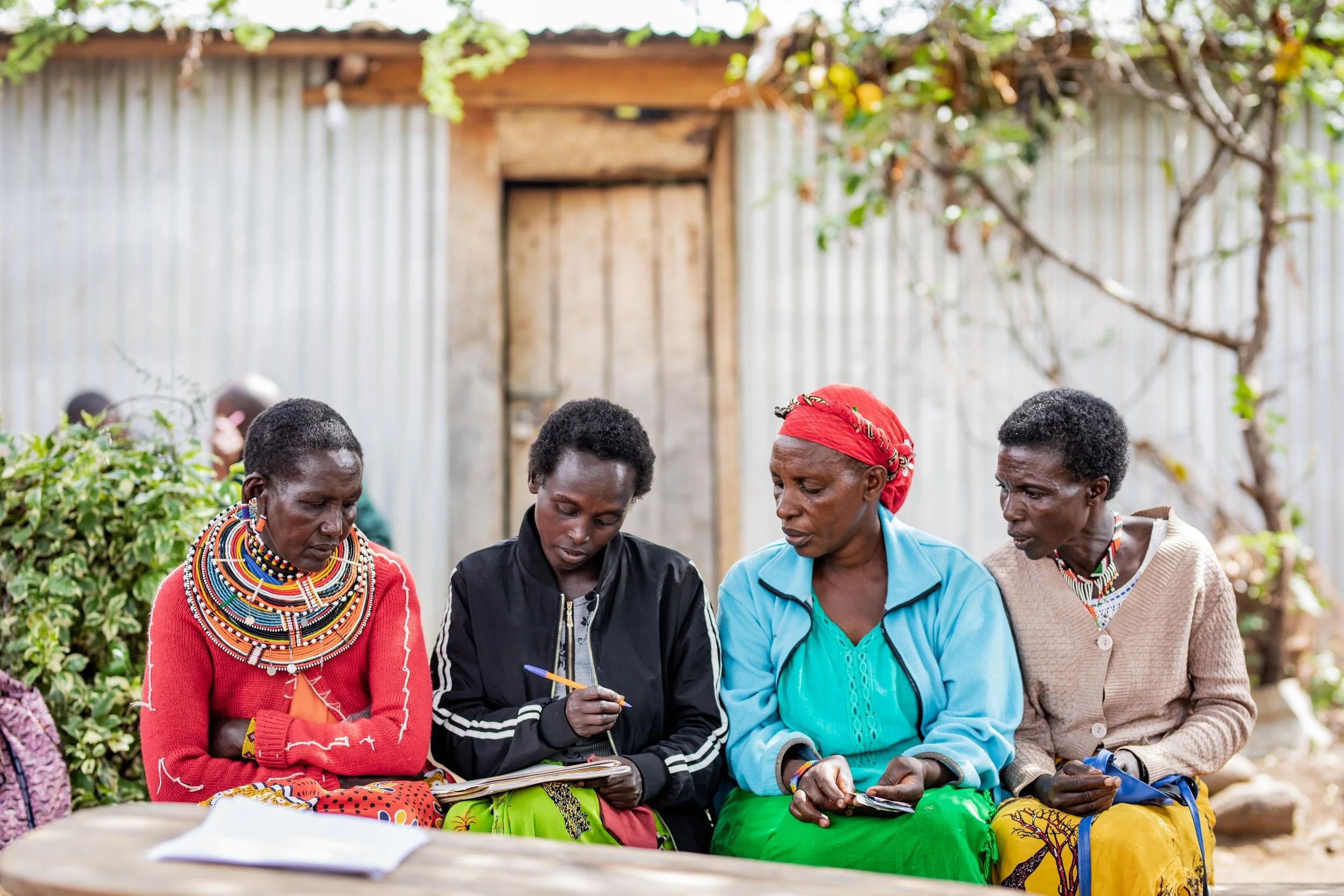
How Community-Led Development Creates Sustainable Change in Vulnerable Communities
What makes a development project truly successful? Is it the number of facilities constructed, the amount of funding invested or the number of people reached? While these measures can be useful, lasting change depends on something deeper: whether communities have the knowledge, resources and decision-making power to shape their own futures.
Across the world, communities face challenges involving healthcare, education, food security, clean water, livelihoods and access to essential services. Development organisations and public institutions work to address these challenges, but even well-funded initiatives can struggle when the people they intend to support are not meaningfully involved in planning and implementation.
A school may be constructed without sufficient consideration of how it will be maintained. A water system may be installed without a clear arrangement for repairs. A health awareness campaign may provide useful information but fail to address the practical barriers preventing families from accessing care.
These examples reveal an important lesson: sustainable development cannot depend on outside assistance alone. It requires the active participation, leadership and ownership of the communities concerned.
This is the central principle behind community-led development, an approach that recognises local people as partners and decision-makers rather than passive recipients of support.
What Is Community-Led Development?
Community-led development is an approach in which community members play a meaningful role in identifying priorities, making decisions, planning activities, managing resources and evaluating results. Instead of assuming that outside organisations already know what a community needs, the process begins by listening to the people who experience those challenges directly.
Community-led development does not mean communities must solve every problem without external assistance. Rather, it encourages collaboration in which local knowledge and leadership are combined with appropriate technical expertise, institutional support and resources.
The goal is to create solutions that reflect real needs, respect local circumstances and remain useful after the initial project period has ended.
Key Principles of Community-Led Development
- Local ownership: Community members participate in shaping priorities and decisions that affect their lives.
- Inclusive participation: Women, young people, persons with disabilities and marginalised groups have meaningful opportunities to contribute.
- Accountability: Decisions, responsibilities and resource use are communicated transparently.
- Capacity strengthening: Communities gain knowledge, skills and systems that support long-term independence.
- Partnership: Local institutions, development organisations and other stakeholders work together respectfully.
- Sustainability: Solutions are designed with long-term operation, maintenance and adaptation in mind.
These principles help shift development from delivering short-term assistance toward strengthening the ability of communities to respond to present and future challenges.
The central idea: Communities are not simply places where development happens. They are essential partners in deciding what development should achieve, how it should be implemented and how progress should be sustained.
Why Traditional Top-Down Development Approaches Sometimes Fall Short
Traditional development projects often begin with priorities identified by institutions, funders or technical specialists. These stakeholders may bring valuable expertise and resources, but problems arise when local perspectives are overlooked.
A project may appear successful on paper while failing to address the practical realities of everyday life. For example, a newly installed service may be too expensive to maintain, difficult for certain groups to access or unsuitable for local environmental conditions.
Community-led approaches seek to reduce these risks by involving people throughout the development process.
| Development Consideration | Predominantly Top-Down Approach | Community-Led Approach |
|---|---|---|
| Identifying needs | External actors determine priorities with limited local input. | Community members help identify and prioritise their needs. |
| Decision-making | Major decisions are concentrated among external organisations. | Local representatives participate meaningfully in decisions. |
| Project design | Solutions may follow standard models. | Solutions are adapted to local conditions and preferences. |
| Accountability | Reporting may focus mainly on funders and institutions. | Communities also receive information and opportunities to provide feedback. |
| Long-term maintenance | Maintenance may receive insufficient attention during planning. | Local capacity and responsibilities are considered from the beginning. |
| Measuring success | Emphasis may fall on activities completed and outputs delivered. | Greater attention is given to usability, inclusion and sustained outcomes. |
These approaches are not always mutually exclusive. Technical standards, public oversight and professional expertise remain essential, particularly in areas such as healthcare, water safety and infrastructure. The strongest development programmes combine those requirements with meaningful local participation.
1. Community Participation Helps Identify the Problems That Matter Most
Every community has its own priorities, resources, institutions and challenges. Two communities may face similar problems but require different responses because of differences in geography, infrastructure, population needs or access to public services.
Listening to residents helps development partners understand these differences before committing resources.
Community discussions can reveal issues that might not be obvious from statistics alone. For example, official records may show that a water point exists, but residents may explain that it functions only intermittently or is difficult for people with limited mobility to reach.
Practical Methods for Understanding Community Priorities
- Community meetings: Open discussions where residents identify shared challenges and possible solutions.
- Household surveys: Structured questions that help understand access to services and everyday needs.
- Focus group discussions: Smaller conversations that allow different groups to share experiences.
- Participatory mapping: Community members identify important facilities, resources, risks and access barriers.
- Key informant interviews: Conversations with local leaders, service providers and people with relevant knowledge.
- Community feedback channels: Accessible mechanisms for reporting concerns and suggesting improvements.
Information gathering should be inclusive and conducted with appropriate privacy and safeguarding measures. People should understand why information is being collected and how it may be used.
Most importantly, participation must influence actual decisions. Asking residents for their views without considering their feedback does not create meaningful community ownership.
2. Local Leadership Strengthens Accountability and Long-Term Ownership
Community leadership can play an important role in coordinating activities, sharing information and helping resolve problems. However, effective leadership is not simply about identifying a few prominent individuals and allowing them to speak for everyone.
Communities are diverse. Different households and groups may have different interests, experiences and levels of influence. A genuinely inclusive approach creates opportunities for those who are often underrepresented to participate in decisions.
What Does Effective Community Leadership Involve?
Strong local leadership is generally characterised by transparent decision-making, clear responsibilities, respect for different perspectives and willingness to be accountable.
Community representatives may help coordinate meetings, communicate priorities, support maintenance arrangements or monitor agreed activities. Their role should be clearly defined, and they should have opportunities to receive appropriate training.
Five Qualities of Accountable Community Leadership
- Transparency: Decisions and relevant resource information are shared openly.
- Representation: Different groups can contribute to planning and oversight.
- Responsiveness: Community concerns receive attention and appropriate follow-up.
- Responsibility: Leaders understand their roles and recognise the limits of their authority.
- Continuity: Knowledge and responsibilities can be transferred when leadership changes.
Accountability should operate in both directions. Development organisations need to explain their commitments and limitations, while local structures should be able to communicate how decisions are made and how resources are managed.
When these relationships are clear, communities are better positioned to maintain trust and respond constructively when challenges arise.
3. Community-Led Healthcare Can Improve Access and Health Awareness
Healthcare outcomes are influenced by more than the availability of clinics and medical professionals. Families also need accurate information, practical access to services and confidence in the healthcare systems available to them.
Community participation can help identify barriers that prevent people from seeking care. These may include transportation difficulties, limited awareness, financial constraints, disability-related barriers or concerns about the quality and accessibility of services.
When communities contribute to health planning, programmes can become more responsive to everyday needs.
How Communities Can Support Better Health Outcomes
- Helping identify gaps in access to essential health services.
- Supporting accurate, culturally appropriate health education.
- Encouraging timely use of qualified healthcare services.
- Providing feedback about service accessibility and patient experiences.
- Supporting public health awareness and disease prevention initiatives.
- Identifying groups that may require additional assistance to access care.
Community volunteers and local organisations can support awareness and referrals, but they should not be expected to replace qualified healthcare professionals. Clinical assessment, diagnosis and treatment require appropriate medical expertise.
Community involvement is particularly valuable when health initiatives are connected with nutrition, sanitation and education. These relationships are relevant to the priorities discussed within SDC Kenya’s Health Programme.
Building Trust Through Consistent Engagement
Trust develops when people receive reliable information, are treated respectfully and see their concerns acknowledged. Community engagement should therefore continue beyond the launch of a health initiative.
Regular dialogue can help identify misinformation, improve communication and ensure that services remain responsive to changing circumstances.
4. Community Participation Makes Water and Sanitation Solutions More Sustainable
Water and sanitation infrastructure offers a clear example of why local ownership matters. Constructing a water point or toilet facility is an important achievement, but the long-term value of that investment depends on whether it remains safe, accessible and functional.
Communities can provide valuable information about water collection patterns, seasonal shortages, sanitation practices and maintenance challenges.
When residents participate in planning, they can help identify suitable locations, discuss accessibility needs and understand how facilities will be managed.
What Should a Community Water Project Consider?
| Planning Area | Important Questions |
|---|---|
| Community needs | Who currently lacks reliable access, and what barriers do they face? |
| Water safety | How will water quality be assessed, protected and monitored? |
| Accessibility | Can children, older people and persons with disabilities use the facility? |
| Maintenance | Who will inspect the system and coordinate repairs? |
| Financial sustainability | How will reasonable operating and maintenance costs be addressed? |
| Environmental conditions | Is the proposed system suitable for local water availability and climate risks? |
| Accountability | How can users report breakdowns, safety concerns or service problems? |
Local participation cannot replace engineering assessments or water quality standards. Rather, it helps ensure that technical decisions reflect the needs of the people who will depend on the services.
The same principle applies to sanitation and hygiene education. Community members can help identify practical barriers to toilet use, handwashing and menstrual hygiene management, allowing programmes to respond more appropriately.
These considerations are closely connected to SDC Kenya’s Water, Sanitation and Hygiene Programme, where sustainable solutions require both technical planning and community engagement.
5. Education Becomes More Inclusive When Communities Are Involved
Education is one of the most important foundations of long-term development. It supports literacy, skills, opportunity and participation in social and economic life.
However, the barriers preventing children from accessing education are not always visible from school enrolment figures alone. Families may face costs associated with learning materials, transport difficulties, disability-related barriers or challenges that affect regular attendance.
Community participation helps identify these obstacles and encourages practical discussions about how they might be addressed.
How Families and Communities Can Support Education
- Encouraging school attendance and continued learning.
- Identifying children who face barriers to enrolment or participation.
- Supporting safe and inclusive learning environments.
- Promoting girls’ education and challenging harmful stereotypes.
- Participating in appropriate school governance and feedback processes.
- Helping connect vulnerable learners with available support services.
Parents and caregivers play a particularly important role in children’s learning. Their involvement can strengthen communication between households and schools, helping educators understand the circumstances affecting students.
Why Girls’ Education Deserves Particular Attention
Girls may face additional barriers associated with household responsibilities, poverty, early marriage, safety concerns or inadequate menstrual hygiene facilities. These challenges require responses that consider both educational access and the wider social environment.
Community discussions can help challenge attitudes that limit girls’ opportunities and promote shared responsibility for keeping children in school.
Inclusive education also requires attention to learners with disabilities and children experiencing displacement or other forms of vulnerability.
These priorities connect with the broader objectives of SDC Kenya’s Education Programme, which focuses on expanding educational opportunities and supporting vulnerable learners.
6. Community-Led Development Can Strengthen Livelihoods and Economic Resilience
Development is difficult to sustain when households lack reliable opportunities to meet essential needs. Economic vulnerability can affect access to healthcare, education, nutritious food and other basic services.
Community-led livelihood initiatives aim to build on existing knowledge, resources and economic opportunities while addressing barriers that prevent people from improving their circumstances.
Rather than assuming that every community needs the same income-generating activity, participatory planning considers local markets, available skills, environmental conditions and the interests of participants.
Examples of Community-Based Economic Approaches
- Skills development: Training linked to realistic employment or self-employment opportunities.
- Savings groups: Community-managed arrangements that may help members build savings and access small loans.
- Producer groups: Collective efforts to improve access to information, inputs or markets.
- Small enterprise support: Business skills and mentoring adapted to local economic conditions.
- Financial literacy: Practical education on budgeting, saving and responsible financial decisions.
- Market assessments: Understanding demand before investing in new products or services.
These approaches require careful planning. Training alone does not guarantee employment, and access to credit does not automatically produce profitable businesses. Participants need realistic information about costs, risks, market conditions and available support.
Community ownership can help improve the relevance of livelihood initiatives, but economic sustainability ultimately depends on whether the activities can continue to create value.
7. Inclusion Is Essential to Genuine Community Ownership
Community participation is not automatically inclusive. Some people may be unable to attend meetings because of work, caregiving responsibilities, disability, distance or safety concerns. Others may attend but feel uncomfortable speaking because of social hierarchies or unequal power relationships.
If development decisions are shaped only by the most influential voices, the resulting solutions may fail to address the needs of people experiencing the greatest barriers.
Groups That May Face Participation Barriers
Depending on the context, additional efforts may be needed to include:
- Women and girls whose perspectives may be underrepresented.
- Young people who have limited influence over community decisions.
- Persons with disabilities who face physical or communication barriers.
- Older people who may require accessible meeting arrangements.
- Displaced households or people with limited local support networks.
- Families facing severe economic hardship.
- People who may experience discrimination or social exclusion.
Practical Ways to Improve Inclusion
Inclusive engagement may involve accessible meeting locations, convenient scheduling, interpretation where needed, separate discussions for groups who may otherwise be unable to speak freely and clear safeguarding procedures.
Organisations should also explain how feedback will influence decisions and provide opportunities for people to raise concerns without fear of retaliation.
Meaningful inclusion means more than attendance. People should have a genuine opportunity to influence decisions, understand their options and participate safely in processes that affect their lives.
8. How Community-Led Development Supports the Sustainable Development Goals
The United Nations Sustainable Development Goals (SDGs) provide a global framework for addressing poverty, inequality, health, education, environmental protection and other development priorities.
Community-led development can support progress toward several goals because it encourages solutions that respond to local needs while strengthening participation and accountability.
| Sustainable Development Goal | Connection to Community-Led Development |
|---|---|
| SDG 1 — No Poverty | Local participation can help identify economic barriers and shape relevant livelihood support. |
| SDG 2 — Zero Hunger | Community knowledge can inform food security, nutrition and resilience initiatives. |
| SDG 3 — Good Health and Well-being | Communities can contribute to health awareness, prevention and improved service accessibility. |
| SDG 4 — Quality Education | Families and local institutions can help address barriers to inclusive learning. |
| SDG 5 — Gender Equality | Inclusive decision-making can strengthen women’s and girls’ participation. |
| SDG 6 — Clean Water and Sanitation | Community involvement can support appropriate water systems and maintenance planning. |
| SDG 17 — Partnerships for the Goals | Collaboration brings together local knowledge, technical expertise and institutional resources. |
Contributing to an SDG does not necessarily mean that a project has achieved measurable progress toward it. Reliable monitoring and appropriate evidence are needed to understand actual results.
Nevertheless, the SDGs demonstrate why development challenges should not be treated in isolation. Health, education, nutrition, water access and economic opportunity influence one another, and coordinated community participation can help address these relationships.
9. What Are the Main Challenges of Community-Led Development?
Although community-led approaches offer important advantages, they are not free from challenges. Meaningful participation takes time, and different community members may have competing priorities or unequal access to decision-making processes.
Recognising these challenges helps organisations design more responsible and realistic programmes.
Common Challenges and Possible Responses
| Challenge | Why It Matters | Possible Response |
|---|---|---|
| Unequal participation | Influential groups may dominate discussions. | Use inclusive engagement methods and accessible feedback channels. |
| Limited technical capacity | Communities may need specialist knowledge to manage complex services. | Combine local leadership with appropriate professional training and support. |
| Insufficient resources | Priorities may exceed available funding or infrastructure. | Agree on realistic plans and communicate resource limitations clearly. |
| Conflicting priorities | Different groups may disagree about which needs are most urgent. | Use transparent discussions and agreed decision-making procedures. |
| Weak accountability | Unclear responsibilities can undermine trust. | Document decisions, clarify roles and establish grievance mechanisms. |
| Project dependency | Services may decline when external support ends. | Plan for maintenance, local capacity and long-term responsibilities. |
Development partners should avoid shifting responsibility to communities without providing the resources or institutional support necessary to fulfil it. Community ownership should strengthen people’s agency, not excuse the withdrawal of essential public services.
10. How to Measure the Success of Community-Led Development
Success should be assessed through more than the number of meetings held or people consulted. These activities may indicate participation, but they do not automatically show whether communities have gained meaningful influence or experienced lasting improvements.
A useful evaluation considers both the development outcomes and the quality of the process used to achieve them.
Indicators Worth Monitoring
- Participation quality: Are different community groups able to influence decisions?
- Local leadership: Are responsibilities clear, accountable and appropriately supported?
- Service functionality: Do facilities and services remain usable over time?
- Community satisfaction: Do residents believe the initiative responds to their priorities?
- Inclusion: Are vulnerable and underrepresented groups benefiting fairly?
- Capacity development: Have participants gained practical skills or stronger management systems?
- Sustainability: Are realistic arrangements in place for continued operation and maintenance?
- Measured outcomes: Is there credible evidence of improvement in the problem the initiative intended to address?
Monitoring should include opportunities for communities to question findings, report problems and suggest changes. Information gathered during implementation can help improve activities rather than serving only as a final reporting requirement.
It is also important to recognise that some changes take longer to observe. Stronger local leadership, improved trust and greater confidence in collective decision-making may develop gradually.
11. How NGOs and Development Partners Can Support Community-Led Change
Development organisations can contribute important expertise, coordination and resources. Their role is most constructive when they work alongside communities rather than assuming complete control over local priorities.
This requires a willingness to listen, share information, acknowledge uncertainty and adapt plans when evidence suggests a different approach is needed.
Practical Responsibilities for Development Partners
- Begin with listening: Understand community priorities before proposing solutions.
- Communicate clearly: Explain available resources, project limitations and decision-making arrangements.
- Support inclusive participation: Make deliberate efforts to involve people who face barriers to engagement.
- Provide appropriate expertise: Ensure technical decisions meet relevant professional and safety standards.
- Strengthen local capacity: Support skills, knowledge and management systems that can remain useful beyond the project.
- Establish accountability: Create accessible ways to ask questions, provide feedback and report concerns.
- Monitor responsibly: Collect reliable evidence and communicate achievements without exaggeration.
- Plan for continuity: Consider what will happen when funding, personnel or project arrangements change.
Partnerships can be particularly valuable when they bring together complementary capabilities. Local organisations may understand community priorities, while technical specialists contribute expertise and institutions help coordinate services.
Individuals, organisations and potential development partners interested in supporting community-focused initiatives can explore opportunities through SDC Kenya’s Get Involved page.
12. A Practical Framework for Community-Led Development
Although every development initiative requires a context-specific approach, a structured process can help communities and partners move from identifying problems to implementing sustainable solutions.
| Stage | Main Activity | Expected Output |
|---|---|---|
| 1. Listen | Engage community members and understand different experiences. | A clearer picture of priorities, barriers and available resources. |
| 2. Prioritise | Discuss needs and agree on realistic priorities. | Shared understanding of what should be addressed first. |
| 3. Plan | Combine community knowledge with technical and financial assessments. | A practical plan with clear responsibilities and safeguards. |
| 4. Implement | Carry out activities with appropriate participation and oversight. | Services or activities delivered according to agreed standards. |
| 5. Monitor | Collect evidence, listen to feedback and identify problems. | Information that supports accountability and improvements. |
| 6. Sustain | Strengthen maintenance, management and long-term support arrangements. | Greater potential for benefits to continue beyond initial implementation. |
This framework is not a rigid sequence. Communities may need to revisit priorities, adjust plans or respond to unexpected challenges. Flexibility is important because development takes place in changing social, economic and environmental conditions.
The defining feature is that community perspectives remain relevant throughout the process rather than being considered only at the beginning.
Frequently Asked Questions About Community-Led Development
What is community-led development?
Community-led development is an approach in which community members participate meaningfully in identifying priorities, making decisions, planning activities and evaluating development initiatives. It combines local knowledge and leadership with appropriate external support.
Why is community participation important in development?
Participation helps ensure that solutions respond to real needs, reflect local circumstances and consider the experiences of different groups. It can also improve accountability, relevance and long-term ownership.
What is the difference between community-based and community-led development?
Community-based development generally refers to activities implemented within or with a community. Community-led development places stronger emphasis on the community’s meaningful influence over priorities, decisions and implementation. The terms may overlap, depending on how a programme is designed.
How does community-led development support sustainability?
It can strengthen sustainability by involving residents in planning, building relevant skills, clarifying maintenance responsibilities and creating systems that respond to local needs. However, long-term success also depends on adequate resources and institutional support.
What role do NGOs play in community-led development?
NGOs may support community engagement, technical assistance, capacity strengthening, coordination, resource mobilisation and monitoring. Their role should complement community leadership and relevant public institutions rather than replace them.
How can communities measure development progress?
Progress can be assessed through service quality, inclusion, community satisfaction, participation, local capacity, accountability and credible evidence of improved outcomes. Monitoring should include feedback from the people affected by the initiative.
Conclusion — Sustainable Development Begins With People
Lasting community development is not defined only by the resources invested or the activities completed. It is also defined by whether people have a meaningful voice in decisions, whether services respond to real needs and whether communities are better equipped to navigate future challenges.
Community-led development recognises that local people bring valuable knowledge, experience and aspirations to the development process. When that knowledge is combined with appropriate technical expertise, transparent partnerships and realistic long-term planning, initiatives have a stronger foundation for relevance and sustainability.
From healthcare and education to water access, sanitation and economic resilience, meaningful participation can improve the way development challenges are understood and addressed.
However, participation must be genuine. It should include people who are often overlooked, create opportunities for accountability and provide communities with influence rather than simply asking them to endorse decisions already made.
Building stronger communities is a shared responsibility. Governments, civil society organisations, development partners and residents all have important roles to play. By placing people at the centre of development, it becomes possible to pursue solutions that are more inclusive, practical and responsive to the future.
Be Part of Sustainable Community Development
Meaningful development begins with listening, partnership and shared commitment. If you would like to learn more about SDC Kenya’s development priorities, share an enquiry or explore opportunities for collaboration, we welcome your message.